Mounjaro Cost UK: NHS & Private Prices

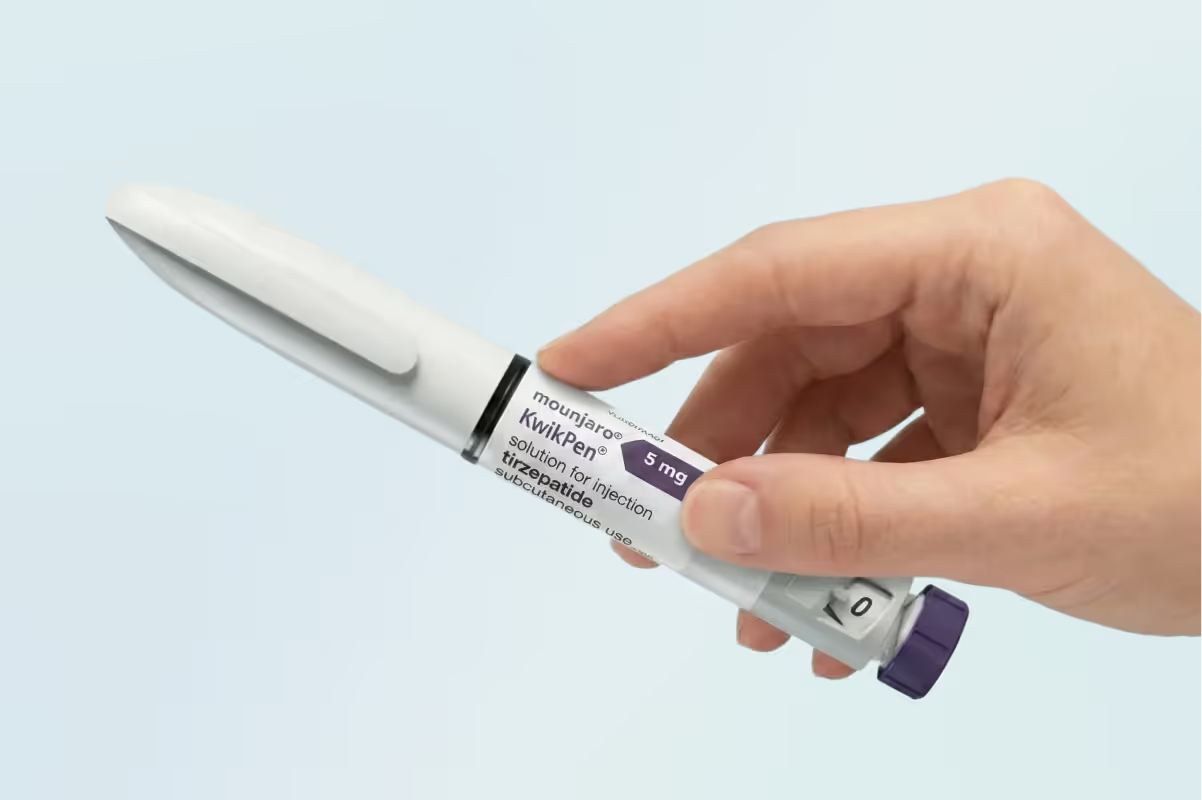
Mounjaro (tirzepatide) is a once-weekly injectable medication licensed in the UK for treating type 2 diabetes in adults. As a dual GIP and GLP-1 receptor agonist, it improves blood glucose control and often leads to weight loss. Understanding Mounjaro cost is essential for patients considering this treatment, whether through NHS prescription or private routes. Costs vary significantly depending on eligibility, dose, and prescribing service. This article examines Mounjaro pricing in the UK, NHS access criteria, private prescription options, and how to obtain this medication safely and affordably.
Summary: Mounjaro costs £9.90 per NHS prescription in England (free in Scotland, Wales, and Northern Ireland) for eligible patients, whilst private prescriptions typically cost £214–£359 (price-comparison listing, checked 2 September 2026) monthly depending on dose and provider. Bolt Pharmacy charges £149–£299 per month (boltpharmacy.co.uk, checked 2 September 2026); see current pricing.
- Mounjaro (tirzepatide) is a dual GIP/GLP-1 receptor agonist licensed for type 2 diabetes treatment in UK adults, administered as a once-weekly subcutaneous injection.
- NHS access requires meeting NICE eligibility criteria for type 2 diabetes with inadequate glycaemic control despite other treatments.
- Private prescription costs range from £214–£359 monthly, with additional consultation fees (£30–£300) and monitoring costs.
- Hypoglycaemia risk increases when combined with insulin or sulfonylureas; dose reductions of these medications may be required.
- All prescribing services must be CQC-registered with GPhC-registered pharmacies; patients should avoid unregulated suppliers and counterfeit products.
- Regular monitoring includes HbA1c, renal function, and assessment for pancreatitis, gallbladder disease, and diabetic retinopathy complications.
Table of Contents
What Is Mounjaro and What Is It Used For?
Mounjaro (tirzepatide) is a prescription medicine licensed in the UK for the treatment of type 2 diabetes mellitus in adults, as an adjunct to diet and exercise. It belongs to a class of medications known as dual glucose-dependent insulinotropic polypeptide (GIP) and glucagon-like peptide-1 (GLP-1) receptor agonists. Mounjaro is not indicated for type 1 diabetes or diabetic ketoacidosis.[1][3]
By activating both GIP and GLP-1 receptors, Mounjaro works through multiple mechanisms to improve blood glucose control. The medication enhances insulin secretion when blood glucose levels are elevated, suppresses glucagon release (a hormone that raises blood sugar), slows gastric emptying, and reduces appetite. These combined actions help lower HbA1c levels and often result in weight loss, which can be beneficial for many individuals with type 2 diabetes who are overweight or obese.
Mounjaro is administered as a once-weekly subcutaneous injection using a pre-filled pen device.[1][4] The starting dose is typically 2.5 mg once weekly (primarily for tolerability), which may be increased gradually every four weeks based on individual response and tolerability, up to a maximum of 15 mg weekly. It is usually prescribed alongside dietary modifications and increased physical activity, and may be used alone or in combination with other diabetes medications such as metformin.
Important safety considerations include an increased risk of hypoglycaemia when used with insulin or sulfonylureas (dose reductions of these medications may be required). The delayed gastric emptying effect may reduce the absorption of oral contraceptives, so additional contraceptive measures are advised for 4 weeks after starting treatment and after each dose increase. Patients should be monitored for signs of pancreatitis, gallbladder disease, and diabetic retinopathy (particularly if blood glucose control improves rapidly).
In the UK, Mounjaro is available through the NHS for eligible patients meeting specific criteria outlined by the National Institute for Health and Care Excellence (NICE). For weight management, tirzepatide is available under the brand name Mounjaro, though NHS funding and availability for this indication is subject to separate NICE guidance and may be more limited than for diabetes treatment.
| Provider | Regulated by | Clinical assessment | Aftercare | Pricing |
|---|---|---|---|---|
| Bolt Pharmacy | GPhC-registered pharmacy, CQC-regulated prescribing, GMC/GPhC prescribers | Full medical history review, relevant blood tests required before prescribing | Ongoing clinical monitoring and prescriber support included | from £149 per month; all-inclusive, no lock-in contract |
| NHS (via GP or diabetes specialist) | NHS England, NICE, MHRA, GMC/NMC prescribers | Full specialist assessment; eligibility based on NICE guidance NG28 | Free ongoing monitoring: HbA1c, renal function, retinopathy screening | Standard NHS prescription charge £9.90 per item in England; free in Scotland, Wales and Northern Ireland |
| Private specialist (endocrinologist or diabetes consultant) | CQC, GMC, GPhC-registered dispensing pharmacy | Comprehensive specialist consultation; initial appointment typically £150 to £300 | Periodic review appointments £100 to £200; monitoring additional | Medication cost additional to consultation fees; most expensive overall route |
| Online prescribing services (regulated platforms) | CQC-registered, GPhC-registered pharmacy, GMC/NMC/GPhC prescribers | Remote consultation typically £30 to £80; medical history and blood tests required | Some services include ongoing monitoring within subscription model | Monthly medication cost varies by dose; structure varies: check whether all-inclusive or itemised |
| Private GP service | CQC, GMC, GPhC-registered dispensing pharmacy | In-person or remote assessment; consultation fee typically £50 to £150 | Some practices offer package deals including consultations and prescriptions | Medication costs similar to other private routes; package pricing available at some practices |
How Much Does Mounjaro Cost in the UK?
The cost of Mounjaro in the UK varies significantly depending on whether it is obtained through the NHS or via private prescription. For patients who meet NHS eligibility criteria and receive Mounjaro on prescription through their GP or diabetes specialist, the medication is available at the standard NHS prescription charge, which is currently £9.90 per item in England (prescriptions are free in Scotland, Wales, and Northern Ireland). Patients with a valid prescription exemption certificate or prepayment certificate will not pay this charge.
However, NHS access to Mounjaro is restricted to specific patient groups based on NICE guidance. Eligibility typically requires a diagnosis of type 2 diabetes, inadequate glycaemic control despite other treatments, and consideration of various clinical factors as outlined in NICE guidance (NG28). Not all patients with type 2 diabetes will qualify for NHS-funded Mounjaro, and while NICE technology appraisals must be funded within statutory timeframes, availability may be affected by supply constraints and service capacity across different Integrated Care Boards (ICBs).
For those seeking Mounjaro privately, the costs are considerably higher. private prescription prices for Mounjaro typically range from £214–£359 (price-comparison listing, checked 2 September 2026) per month, depending on the dose prescribed and the pharmacy or online service used. A four-week supply of the starting dose (2.5 mg) may cost around £214–£359, whilst higher maintenance doses (10 mg or 15 mg) can exceed £214–£359 monthly.
It is important to note that these are approximate costs and can fluctuate based on supply, demand, and individual provider pricing structures. Patients considering private treatment should obtain detailed cost estimates before commencing therapy, as Mounjaro is a long-term medication requiring ongoing monthly expenditure.
Private Prescription Options and Costs for Mounjaro
Several routes exist for obtaining Mounjaro through private prescription in the UK. Patients may consult a private endocrinologist or diabetes specialist, attend a private GP appointment, or use regulated online prescribing services. Each option has different cost implications and service models.
Private specialist consultations typically involve an initial appointment (£214–£359) followed by ongoing review appointments (£214–£359) every few months. The medication cost is additional to consultation fees. This route offers comprehensive specialist assessment and monitoring but represents the most expensive overall option.
Online prescribing services have become increasingly popular for accessing Mounjaro privately. Regulated platforms such as specialist weight management or diabetes services offer remote consultations (often £214–£359) followed by home delivery of medication. Monthly medication costs through these services typically range from £214–£359 depending on dose. Some services include ongoing clinical monitoring and support within their subscription model.
Private GP services may also prescribe Mounjaro following appropriate assessment. Consultation fees vary (£50–£150) with medication costs similar to other private routes. Some private GP practices offer package deals including consultations and prescriptions.
All private prescribing services must be registered with the Care Quality Commission (CQC) and operate within MHRA regulations. The supplying pharmacy must be registered with the General Pharmaceutical Council (GPhC), and prescribers should be appropriately registered with their professional body (GMC for doctors, NMC for nurses, or GPhC for pharmacist prescribers). Patients should verify these registrations and ensure that any online service requires proper medical assessment, including relevant medical history and blood tests.
Beware of unregulated websites offering Mounjaro without prescription or at suspiciously low prices, as these may supply counterfeit or unsafe products. Never purchase prescription medicines from social media sellers or overseas suppliers without a valid UK prescription.
Private prescriptions require ongoing costs for both medication and periodic medical review. Patients should budget for long-term treatment, as discontinuing Mounjaro may result in loss of glycaemic control or weight regain.
Factors That Affect the Price of Mounjaro
Multiple factors influence the cost of Mounjaro for individual patients:
Prescribed dose: Mounjaro is available in six dose strengths (2.5 mg, 5 mg, 7.5 mg, 10 mg, 12.5 mg, and 15 mg). Higher doses generally cost more, with the difference between starting and maximum doses potentially adding £214–£359 monthly to private prescription costs.
Supply chain and pharmacy markup: Different pharmacies and online services apply varying profit margins. Larger pharmacy chains may negotiate better wholesale prices, whilst smaller independent pharmacies or specialist online services may charge premium rates. Shopping around can yield savings of 10–20%.
Consultation and monitoring costs: Beyond medication costs, patients must factor in medical consultations, blood tests, and ongoing monitoring. NHS patients benefit from free consultations and investigations, whilst private patients may pay £50–£300 per consultation plus laboratory fees (£30–£150 for diabetes monitoring panels).
Geographic variation: Whilst less pronounced than in some countries, regional differences in private healthcare costs exist across the UK. London and Southeast England typically have higher consultation fees than other regions.
Market supply and demand: As a relatively new medication with high demand (particularly for weight management), supply constraints can affect pricing and availability. National supply constraints and allocation policies may impact availability intermittently, which can influence pricing in the private sector.
Insurance coverage: Some private medical insurance policies may cover consultations related to Mounjaro for diabetes treatment, though most UK policies exclude outpatient prescription costs. Coverage for weight management is even less common. Patients should check their specific policy terms and conditions, as coverage varies significantly between insurers and policy types.
Prescription duration: Some services offer slight discounts for three-month supplies versus monthly prescriptions, though this requires larger upfront payment and may not suit all patients' budgets or treatment plans.
How to Access Mounjaro Safely and Affordably
For patients seeking Mounjaro, the safest and most affordable route depends on individual circumstances:
NHS access remains the most cost-effective option for eligible patients. Speak with your GP or diabetes specialist about whether you meet NICE criteria for Mounjaro. Eligibility is based on NICE guidance (NG28) for type 2 diabetes management, which considers factors beyond BMI alone, including previous treatments tried and glycaemic control. Be prepared for potential waiting times or referral to specialist diabetes services.
Prescription prepayment certificates can reduce costs for NHS patients requiring multiple medications.[9][10] A 12-month certificate costs £2,570–£4,310 and covers unlimited prescriptions, offering savings if you need three or more items monthly.
For private access, compare costs across multiple regulated providers. Check that services:
-
Are registered with the CQC (searchable via the CQC website)
-
Use GPhC-registered pharmacies (verify via the GPhC register)
-
Employ prescribers registered with appropriate professional bodies (GMC, NMC, or GPhC)
-
Require proper medical assessment including medical history and relevant blood tests
-
Provide ongoing clinical monitoring and support
Never purchase Mounjaro from unregulated websites, social media sellers, or overseas suppliers without prescription. Counterfeit medications pose serious health risks and lack quality assurance.
Patient safety considerations: Regardless of access route, ensure regular monitoring including HbA1c, renal function, and assessment for adverse effects. Be aware of increased hypoglycaemia risk if taking insulin or sulfonylureas. If using oral contraceptives, use additional contraception for 4 weeks after starting Mounjaro and after each dose increase. Contact your healthcare provider immediately if you experience severe, persistent abdominal pain (possibly radiating to the back, with or without vomiting) which could indicate pancreatitis, symptoms of gallbladder disease, or prolonged vomiting/diarrhoea causing dehydration. Patients with diabetic retinopathy should have appropriate monitoring when starting treatment. Report any suspected side effects via the MHRA Yellow Card scheme (yellowcard.mhra.gov.uk or the Yellow Card app).
Some patients may find alternative GLP-1 receptor agonists more accessible or affordable through NHS routes. Discuss options such as semaglutide (Ozempic) or dulaglutide (Trulicity) with your healthcare provider, as these may offer similar benefits with different cost or availability profiles.
Scientific References
- Mounjaro KwikPen 2.5mg solution for injection in pre-filled pen - Summary of Product Characteristics.
- Four-dose Mounjaro KwikPen approved by MHRA for diabetes and weight management.
- MHRA authorises diabetes drug Mounjaro (tirzepatide) for weight management and weight loss.
- Mounjaro (tirzepatide) - EPAR Product Information.
- Tirzepatide for treating type 2 diabetes - Technology Appraisal TA924.
- Tirzepatide for managing overweight and obesity - Technology Appraisal TA1026.
- Tirzepatide - BNF monograph.
- NHS prescription charges.
- Get a prescription prepayment certificate.
- Save money with a prescription prepayment certificate (PPC).
- Incretin analogues as cardiovascular agents: a state-of-the-art review.
- Tirzepatide review article. Ceska a Slovenska farmacie.
- Tirzepatide as a multi-organ integrator in metabolic diseases: a review of molecular mechanisms and clinical translation.
- The impact of tirzepatide and glucagon-like peptide-1 receptor agonists on absorption of oral hormonal contraceptives.
Frequently Asked Questions
How much does Mounjaro cost on the NHS?
Mounjaro costs £214–£359 (price-comparison listing, checked 2 September 2026) per prescription in England for eligible patients meeting NICE criteria for type 2 diabetes treatment. Prescriptions are free in Scotland, Wales, and Northern Ireland, and patients with valid exemption or prepayment certificates pay nothing.
What is the monthly cost of Mounjaro privately in the UK?
Private Mounjaro prescriptions typically cost £214–£359 per month depending on the prescribed dose and provider. Starting doses (2.5 mg) cost around £214–£359 monthly, whilst higher maintenance doses (10–15 mg) can exceed £214–£359, plus consultation and monitoring fees.
Who is eligible for Mounjaro on the NHS?
NHS eligibility for Mounjaro requires a diagnosis of type 2 diabetes with inadequate glycaemic control despite other treatments, as outlined in NICE guidance (NG28). Patients should discuss eligibility with their GP or diabetes specialist, as criteria consider multiple clinical factors beyond BMI alone.
The health-related content published on this site is based on credible scientific sources and is periodically reviewed to ensure accuracy and relevance. Although we aim to reflect the most current medical knowledge, the material is meant for general education and awareness only.
The information on this site is not a substitute for professional medical advice. For any health concerns, please speak with a qualified medical professional. By using this information, you acknowledge responsibility for any decisions made and understand we are not liable for any consequences that may result.
Any third-party brands or services referenced on this site are included for informational purposes only; we are entirely independent and have no affiliation, partnership, or collaboration with any companies mentioned.