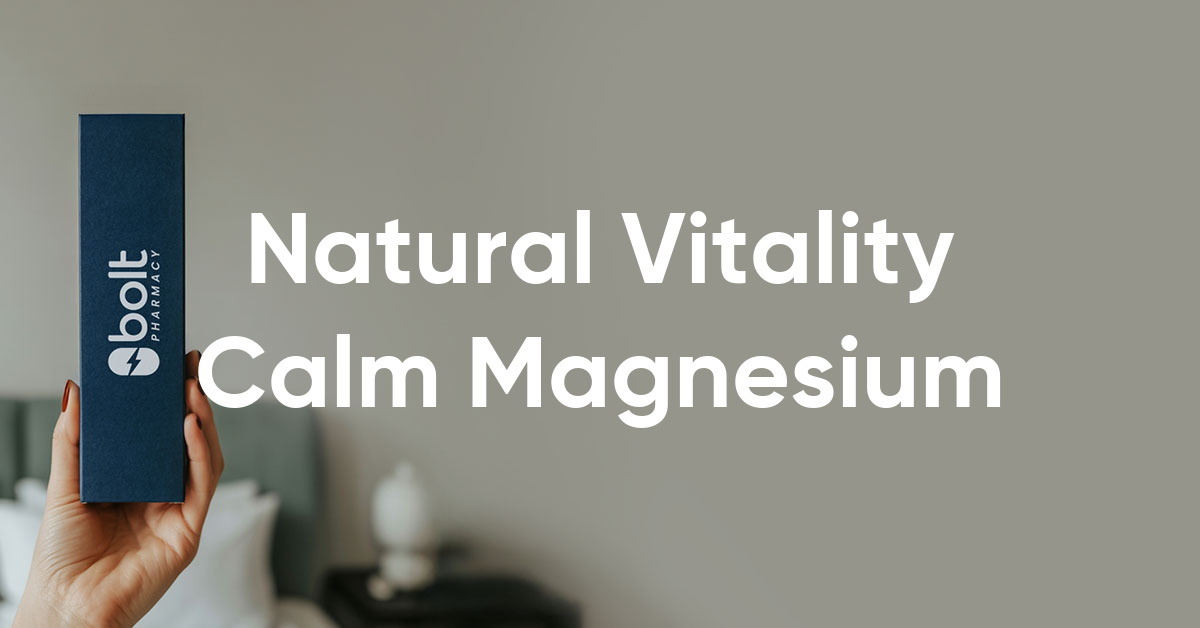

Natural Vitality Calm magnesium is a popular US-originated supplement containing magnesium citrate in powdered form, designed to be mixed with water. Whilst available through some UK retailers, it is not a licensed medicine and is classified as a food supplement. Magnesium is an essential mineral supporting over 300 enzymatic reactions, including energy production, muscle function, and nervous system regulation. UK consumers should verify that any magnesium product meets local safety standards and consider domestically available alternatives that comply with Food Standards Agency regulations and may offer comparable benefits at different price points.
Summary: Natural Vitality Calm magnesium is a US-originated powdered supplement containing magnesium citrate, available in the UK as a food supplement but not licensed as a medicine.
- Contains magnesium citrate, a well-absorbed form with osmotic laxative properties that may cause diarrhoea at higher doses.
- The UK safe upper limit for supplemental magnesium is 400 mg daily, with typical servings providing 200–350 mg elemental magnesium.
- Contraindicated in severe renal impairment due to risk of dangerous hypermagnesaemia; requires medical supervision in kidney disease.
- Can interact with bisphosphonates and certain antibiotics (tetracyclines, quinolones), requiring 2–3 hour separation between doses.
- Regulated as a food supplement by the Food Standards Agency in the UK, not as a medicine; must meet UK safety and labelling standards.
- UK consumers have access to numerous domestically available magnesium supplements meeting local regulatory requirements at various price points.
Table of Contents
What Is Natural Vitality Calm Magnesium?
Natural Vitality Calm is a popular magnesium supplement brand originating from the United States, formulated primarily as a powdered drink mix containing magnesium citrate. The product is designed to be dissolved in water, creating an effervescent beverage that provides magnesium in a form that the body can absorb. Whilst the brand has gained considerable recognition internationally, it is important to note that availability and regulatory status may differ between countries, including the UK.
Magnesium citrate, the active ingredient in Natural Vitality Calm, is formed by combining magnesium with citric acid. This particular form is generally well-absorbed compared to some other magnesium compounds, though individual responses may vary. The supplement typically comes in various flavours and unflavoured options, with some formulations also containing additional ingredients such as calcium or other minerals.
In the UK, magnesium supplements are classified as food supplements rather than medicines, provided they do not make medicinal claims. They are regulated by the Food Standards Agency (FSA) under the Food Supplements Regulations and must comply with UK food safety and labelling requirements. Natural Vitality Calm is not a licensed medicine in the UK. Consumers should verify that any magnesium supplement they purchase, including imported products like Natural Vitality Calm, meets UK safety standards and carries appropriate labelling. It is worth noting that whilst this particular brand may be available through online retailers, UK consumers have access to numerous domestically available magnesium supplements that meet local regulatory requirements and may offer comparable benefits at different price points.
How Does Magnesium Support Health and Wellbeing?
Magnesium is an essential mineral that serves as a cofactor in over 300 enzymatic reactions throughout the human body, making it fundamental to numerous physiological processes. It plays a critical role in energy metabolism, contributing to the synthesis of adenosine triphosphate (ATP), the primary energy currency of cells. Additionally, magnesium is integral to protein synthesis, DNA and RNA production, and the maintenance of normal muscle and nerve function.
One of magnesium's most important functions relates to neuromuscular transmission and muscle contraction. The mineral helps regulate the influx of calcium into cells and thereby influences muscle relaxation. This mechanism explains why magnesium deficiency may be associated with muscle cramps, spasms, and tension. Furthermore, magnesium contributes to the maintenance of normal psychological function and the reduction of tiredness and fatigue, which are authorised health claims in the GB Nutrition and Health Claims Register.
Magnesium also supports cardiovascular health by contributing to the maintenance of normal blood pressure and heart rhythm. It influences vascular tone and endothelial function, and adequate magnesium status is associated with reduced risk of certain cardiovascular conditions, though causality has not been definitively established in all cases. The mineral is essential for bone health as well, working alongside calcium and vitamin D to maintain bone density and structural integrity.
Regarding sleep and relaxation—claims often associated with magnesium supplements—whilst there is biological plausibility given magnesium's role in nervous system regulation, the evidence base remains mixed. Some studies suggest potential benefits for sleep quality, particularly in individuals with documented deficiency, but more robust clinical trials are needed. It should be noted that 'improved sleep' is not an authorised health claim for magnesium in the UK. Patients experiencing persistent sleep disturbances should consult their GP rather than relying solely on supplementation.
Who May Benefit from Magnesium Supplementation?
The UK Reference Nutrient Intake (RNI) for magnesium is 300 mg daily for men and 270 mg daily for women, with most individuals able to meet these requirements through a balanced diet. However, certain population groups may be at increased risk of inadequate magnesium intake or increased requirements, potentially benefiting from supplementation under appropriate guidance.
Individuals with gastrointestinal conditions such as Crohn's disease, coeliac disease, or chronic diarrhoea may experience impaired magnesium absorption, leading to deficiency over time. Similarly, those with type 2 diabetes often exhibit lower magnesium levels, partly due to increased urinary losses, and some evidence suggests that optimising magnesium status may support glycaemic control, though this should complement rather than replace standard diabetes management.
Certain medications can affect magnesium levels, including long-term use of proton pump inhibitors (PPIs) for acid reflux, as highlighted in MHRA Drug Safety Updates. Loop and thiazide diuretics prescribed for hypertension or heart failure can increase magnesium excretion, as can specific antibiotics such as aminoglycosides. Patients on these medications should discuss monitoring and potential supplementation with their GP or pharmacist. Older adults may also be at risk due to reduced dietary intake, decreased absorption, and increased prevalence of chronic conditions and polypharmacy.
Pregnant and breastfeeding women should generally be able to meet their magnesium needs through a balanced diet, in line with NHS guidance. Any supplementation during pregnancy or breastfeeding should only be undertaken following discussion with a midwife or doctor. Chronic alcohol use can also lead to magnesium depletion through various mechanisms including poor dietary intake and increased urinary excretion.
It is important to emphasise that suspected magnesium deficiency should be confirmed through clinical assessment and, where appropriate, blood testing before commencing supplementation. Serum magnesium levels may not always reflect total body stores, so clinical judgement is essential. Self-diagnosis and supplementation without professional guidance may mask underlying conditions requiring medical attention.
Dosage, Safety and Potential Side Effects
The safe upper level for magnesium supplementation in the UK, as established by the Expert Group on Vitamins and Minerals (EVM), is 400 mg per day from supplements alone (excluding dietary intake). This guidance specifically applies to supplemental magnesium and is designed to prevent adverse effects, particularly gastrointestinal disturbances. Natural Vitality Calm products typically provide between 200–350 mg of elemental magnesium per serving, depending on the specific formulation and serving size used.
Magnesium citrate, the form used in Natural Vitality Calm, has osmotic laxative properties, which means it draws water into the intestinal lumen. Whilst this can be therapeutically useful for occasional constipation, it also means that excessive intake commonly causes diarrhoea, abdominal cramping, and nausea. These effects are dose-dependent and typically resolve upon reducing the dose or discontinuing supplementation. Individuals should start with lower doses and gradually increase as tolerated, always following product instructions.
Contraindications and cautions include severe renal impairment, as the kidneys are responsible for magnesium excretion and impaired function can lead to dangerous hypermagnesaemia (elevated blood magnesium). Symptoms of magnesium toxicity include nausea, vomiting, hypotension, bradycardia, respiratory depression, and in severe cases, cardiac arrest. Patients with kidney disease should not take magnesium supplements without explicit medical supervision.
Magnesium can interact with certain medications. According to the British National Formulary, magnesium supplements should be separated from bisphosphonates (used for osteoporosis) by at least 2 hours (or as directed in the specific product information), and from tetracycline and quinolone antibiotics by 2-3 hours, as magnesium can reduce their absorption. Patients should inform their GP and pharmacist of all supplements taken to check for potential interactions with their prescribed medications.
Patients should contact their GP if they experience persistent gastrointestinal symptoms, signs of electrolyte imbalance (muscle weakness, irregular heartbeat, confusion), or if supplementation does not improve symptoms for which it was taken. Suspected adverse reactions to supplements can be reported through the MHRA Yellow Card scheme (yellowcard.mhra.gov.uk). Magnesium supplements should not replace investigation of underlying conditions causing symptoms such as chronic fatigue, muscle cramps, or sleep disturbances.
Choosing Magnesium Supplements in the UK
When selecting a magnesium supplement in the UK, consumers should consider several factors including bioavailability, tolerability, cost, and regulatory compliance. Different magnesium salts vary in their elemental magnesium content and absorption characteristics. Magnesium citrate, as found in Natural Vitality Calm, offers good bioavailability but may cause loose stools. Magnesium glycinate is often better tolerated gastrointestinally and may be preferable for those sensitive to laxative effects, whilst magnesium oxide contains more elemental magnesium per dose but is generally less well absorbed.
UK consumers should look for products that display clear labelling indicating the amount of elemental magnesium per serving, not just the total weight of the magnesium compound. Reputable manufacturers will provide batch testing information and comply with relevant UK food safety standards. Third-party testing certifications, whilst not mandatory, can provide additional assurance of product quality and purity. Athletes should consider products certified by the Informed-Sport programme to minimise the risk of contamination with prohibited substances.
Cost considerations are significant, particularly as Natural Vitality Calm is often imported and may be more expensive than UK-manufactured alternatives. Supermarket own-brand and pharmacy-brand magnesium supplements typically meet the same regulatory standards at lower prices. Patients should calculate the cost per dose of elemental magnesium when comparing products, as serving sizes and concentrations vary considerably.
For those preferring to optimise magnesium through diet, rich food sources include green leafy vegetables (spinach, kale), nuts and seeds (almonds, pumpkin seeds), whole grains, legumes, and dark chocolate. A varied diet incorporating these foods can contribute substantially to meeting daily requirements, as recommended by the NHS.
Pharmacists are valuable resources for guidance on appropriate magnesium supplementation, potential interactions with prescribed medications, and recommendations for reputable brands available locally. They can also advise whether symptoms warrant GP consultation rather than self-treatment. Ultimately, whilst Natural Vitality Calm is one option, UK consumers have access to numerous suitable alternatives that may be more readily available, cost-effective, and equally beneficial for maintaining adequate magnesium status.
Frequently Asked Questions
Is Natural Vitality Calm magnesium safe to take in the UK?
Natural Vitality Calm is generally safe when used as directed, provided it meets UK Food Standards Agency requirements, but the safe upper limit for supplemental magnesium is 400 mg daily. It is contraindicated in severe kidney disease and can interact with certain medications including bisphosphonates and some antibiotics.
What are the common side effects of Natural Vitality Calm magnesium?
The most common side effects are gastrointestinal, including diarrhoea, abdominal cramping, and nausea, due to magnesium citrate's osmotic laxative properties. These effects are dose-dependent and typically resolve when the dose is reduced or supplementation is stopped.
Are there UK alternatives to Natural Vitality Calm magnesium?
Yes, numerous UK-manufactured magnesium supplements are available through pharmacies and supermarkets, often at lower cost, meeting the same Food Standards Agency regulatory standards. Different forms such as magnesium glycinate may offer better gastrointestinal tolerability than magnesium citrate.
The health-related content published on this site is based on credible scientific sources and is periodically reviewed to ensure accuracy and relevance. Although we aim to reflect the most current medical knowledge, the material is meant for general education and awareness only.
The information on this site is not a substitute for professional medical advice. For any health concerns, please speak with a qualified medical professional. By using this information, you acknowledge responsibility for any decisions made and understand we are not liable for any consequences that may result.
Heading 1
Heading 2
Heading 3
Heading 4
Heading 5
Heading 6
Lorem ipsum dolor sit amet, consectetur adipiscing elit, sed do eiusmod tempor incididunt ut labore et dolore magna aliqua. Ut enim ad minim veniam, quis nostrud exercitation ullamco laboris nisi ut aliquip ex ea commodo consequat. Duis aute irure dolor in reprehenderit in voluptate velit esse cillum dolore eu fugiat nulla pariatur.
Block quote
Ordered list
- Item 1
- Item 2
- Item 3
Unordered list
- Item A
- Item B
- Item C
Bold text
Emphasis
Superscript
Subscript