



Mounjaro Cost for Weight Loss: UK Access and Pricing Guide

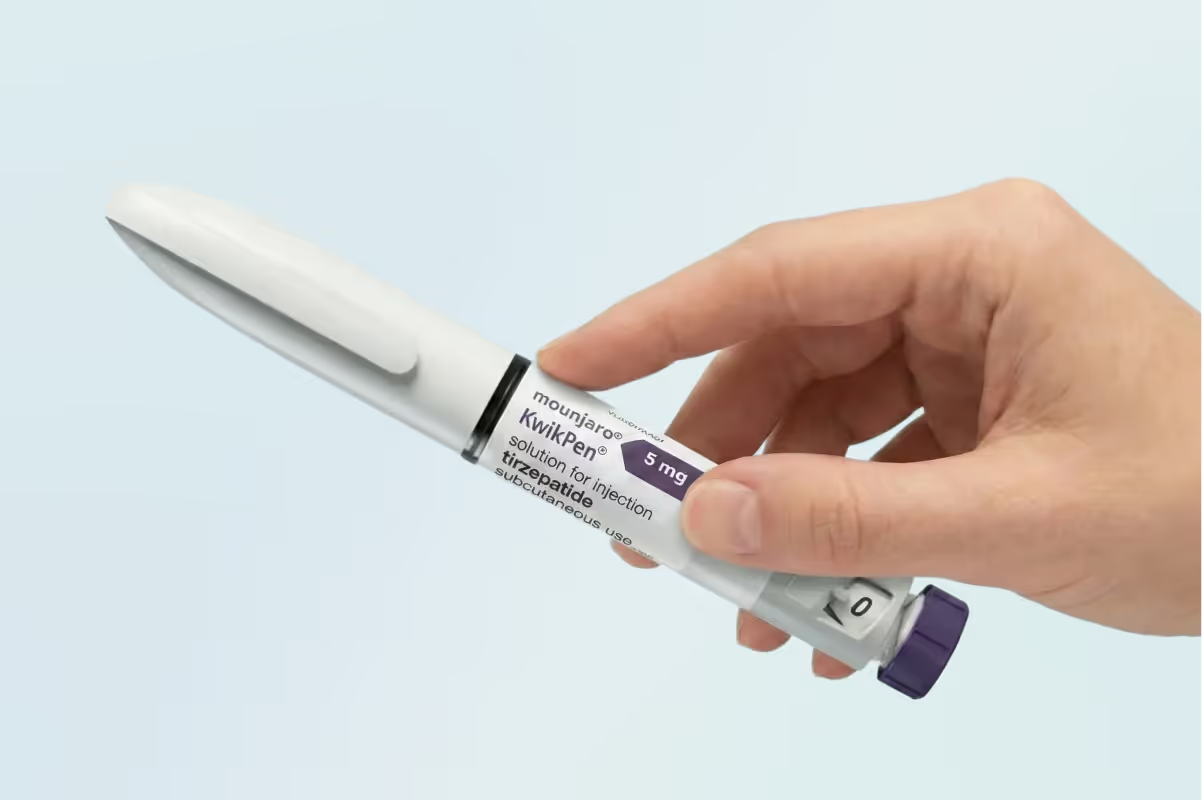
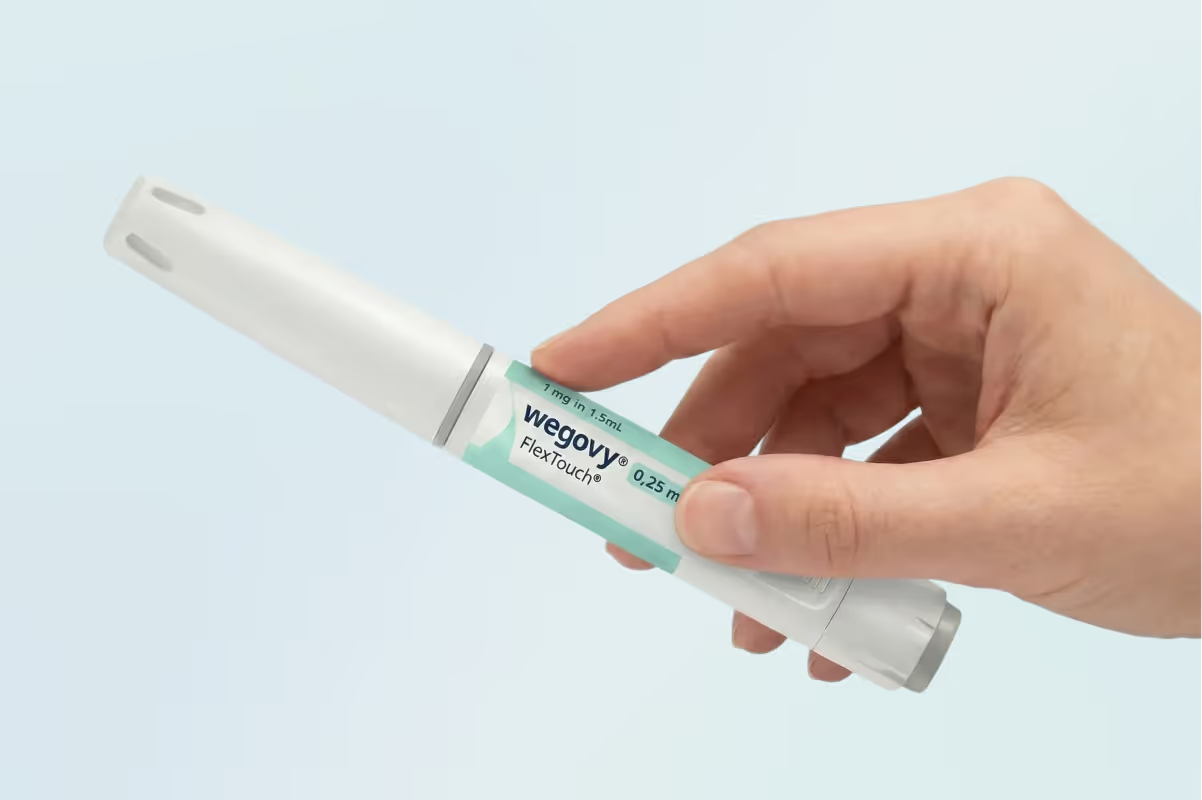
Mounjaro (tirzepatide) has emerged as a significant advancement in weight management for adults with obesity or overweight with weight-related comorbidities. As a dual GIP and GLP-1 receptor agonist, this once-weekly injection offers a unique mechanism that regulates appetite and metabolism. However, accessing Mounjaro in the UK—whether through the NHS or privately—involves navigating eligibility criteria, supply considerations, and substantial costs. Understanding the financial investment required, alongside clinical effectiveness and safety considerations, is essential for anyone considering this treatment option as part of a comprehensive weight management strategy under medical supervision.
Summary: Mounjaro (tirzepatide) for weight management involves significant costs that vary by provider and dose, with private prescriptions representing a substantial financial commitment typically extending 12 months or longer, whilst NHS availability remains limited and varies by region.
- Tirzepatide is a dual GIP and GLP-1 receptor agonist administered as a once-weekly subcutaneous injection for weight management in adults with obesity or overweight with comorbidities.
- Eligibility requires BMI ≥30 kg/m² or BMI ≥27 kg/m² with weight-related comorbidities, plus previous unsuccessful attempts at diet and exercise-based weight loss.
- Clinical trials demonstrate mean weight loss of approximately 19.5–20.9% over 72 weeks at maintenance doses of 10–15 mg weekly, with individual responses varying considerably.
- Common adverse effects include gastrointestinal symptoms (nausea, diarrhoea, vomiting) that are typically mild to moderate and diminish over time with dose titration.
- Treatment requires careful medical supervision with dose escalation from 2.5 mg weekly, regular monitoring, and ongoing commitment to lifestyle modifications for optimal outcomes.
- Contraindications include pregnancy, breastfeeding, previous serious hypersensitivity to tirzepatide, and caution is required in patients with history of pancreatitis or medullary thyroid carcinoma.
Table of Contents
What Is Mounjaro and How Does It Support Weight Loss?
Mounjaro (tirzepatide) is a prescription-only medicine originally developed for the treatment of type 2 diabetes mellitus. In the UK, tirzepatide has also received marketing authorisation for weight management in adults with obesity or overweight with weight-related comorbidities.[1][3] It belongs to a novel class of medications known as dual glucose-dependent insulinotropic polypeptide (GIP) and glucagon-like peptide-1 (GLP-1) receptor agonists. By activating both incretin pathways simultaneously, Mounjaro offers a unique mechanism of action that distinguishes it from single-receptor GLP-1 agonists such as semaglutide.
The mechanism of action centres on mimicking naturally occurring gut hormones that regulate appetite, glucose metabolism, and energy balance. When administered as a once-weekly subcutaneous injection, tirzepatide binds to GIP and GLP-1 receptors in the brain, pancreas, and gastrointestinal tract. This dual activation enhances insulin secretion in response to meals, suppresses glucagon release (reducing hepatic glucose production), and slows gastric emptying. Crucially for weight management, it acts on appetite centres in the hypothalamus to promote satiety and reduce hunger, leading to a spontaneous reduction in caloric intake.
Clinical evidence demonstrates that Mounjaro supports substantial and sustained weight loss when combined with a reduced-calorie diet and increased physical activity. Patients typically experience gradual weight reduction over several months, with the medication helping to overcome physiological barriers that often hinder long-term weight management. The dual incretin action may offer enhanced metabolic benefits compared to single-pathway agents, though individual responses vary. It is important to recognise that Mounjaro is not a standalone solution but rather a pharmacological adjunct to comprehensive lifestyle modification, requiring ongoing commitment to dietary and behavioural changes for optimal outcomes.
Mounjaro is not indicated for use in people under 18 years of age.
| Dose | Phase / Week | Frequency | Approximate Cost (Private, UK) | Notes |
|---|---|---|---|---|
| 2.5 mg | Weeks 1–4 (Starting dose) | Once weekly | Consult SmPC | Initial dose to minimise gastrointestinal side effects |
| 5 mg | Weeks 5–8 | Once weekly | Consult provider | First dose increase; GI symptoms most common during escalation |
| 7.5 mg | Weeks 9–12 | Once weekly | Consult provider | Dose increased in 2.5 mg increments every 4 weeks |
| 10 mg | Weeks 13–16 | Once weekly | Consult provider | Mean weight loss ~19.5% at this dose in SURMOUNT-1 trial |
| 12.5 mg | Weeks 17–20 | Once weekly | Consult provider | Optional intermediate step based on tolerability and response |
| 15 mg | Week 21 onwards (Maximum maintenance) | Once weekly | Significant financial commitment; varies by provider | Mean weight loss ~20.9% in SURMOUNT-1; private treatment often 12+ months |
| NHS Access | All doses | Once weekly | Limited; varies by ICB | Referral to tier 3/4 obesity service required; NICE guidance still evolving |
Who Can Access Mounjaro for Weight Management?
Access to Mounjaro for weight management in the UK is governed by strict eligibility criteria aligned with its marketing authorisation. The medication is licensed for adults with a body mass index (BMI) of 30 kg/m² or greater (obesity), or a BMI of 27 kg/m² or greater (overweight) in the presence of at least one weight-related comorbidity such as hypertension, dyslipidaemia, obstructive sleep apnoea, or cardiovascular disease. For people of South Asian, Chinese, Black African or African-Caribbean family origin, lower BMI thresholds may apply as they are at higher risk of complications at lower BMI levels. Patients must have previously attempted weight loss through diet and exercise without achieving or maintaining clinically meaningful results.
NHS availability of Mounjaro for weight management remains limited and varies by region. While NICE has evaluated tirzepatide favourably for type 2 diabetes, formal guidance for its use specifically in weight management through NHS commissioning is still evolving. Some integrated care boards (ICBs) may offer access through specialist weight management services, typically requiring referral from a GP to a tier 3 or tier 4 obesity service. Priority is generally given to individuals with the highest clinical need, including those with severe obesity and multiple comorbidities or those being considered for bariatric surgery.
Private prescription represents an alternative route for eligible patients who do not meet local NHS criteria or face lengthy waiting times. Private weight management clinics and some GP practices offer Mounjaro following comprehensive medical assessment. The cost of private treatment varies considerably depending on the dose, provider, and current supply availability, representing a significant financial commitment given that treatment duration often extends 12 months or longer.
Contraindications include previous serious hypersensitivity to tirzepatide, pregnancy, and breastfeeding. Caution is advised in patients with a personal or family history of medullary thyroid carcinoma, multiple endocrine neoplasia syndrome type 2, severe gastrointestinal disease, history of pancreatitis, or diabetic retinopathy.[3][5] A thorough medical assessment is essential before initiating treatment to ensure safety and appropriateness.
How Effective Is Mounjaro for Weight Loss?
Clinical trial evidence demonstrates that Mounjaro produces substantial weight reduction superior to many existing weight management medications. The pivotal SURMOUNT clinical trial programme evaluated tirzepatide specifically for weight management in adults without diabetes. In the SURMOUNT-1 trial, participants receiving the highest maintenance dose (15 mg weekly) achieved an average weight loss of approximately 20.9% of their initial body weight over 72 weeks, compared to 3.1% with placebo. Even at the 10 mg dose, mean weight loss reached approximately 19.5%, with around 50% of participants achieving at least 20% weight reduction.
These results represent clinically meaningful outcomes that extend beyond cosmetic benefits. Weight loss of 5–10% is associated with significant improvements in cardiovascular risk factors, including blood pressure, lipid profiles, and glycaemic control.[7] The magnitude of weight loss observed with Mounjaro is substantial, though direct comparisons with bariatric surgery are limited by differences in study design and populations. Importantly, participants also demonstrated improvements in physical functioning, quality of life measures, and obesity-related comorbidities.
Individual responses vary considerably, and not all patients achieve the average weight loss seen in clinical trials. Factors influencing effectiveness include baseline weight, adherence to lifestyle modifications, genetic factors, concurrent medications, and underlying metabolic conditions. Approximately 10–15% of patients may be considered "non-responders," achieving less than 5% weight loss.[10] When NICE finalises its guidance for tirzepatide in weight management, it is likely to include specific stopping rules based on treatment response, similar to other weight management medications.
Long-term maintenance remains a critical consideration. The SURMOUNT-4 trial demonstrated that weight regain commonly occurs following discontinuation of tirzepatide, highlighting the chronic nature of obesity as a disease.[9] Emerging evidence suggests that sustained treatment may be necessary to maintain weight loss, though the optimal duration of therapy and strategies for transitioning off medication require further investigation. Patients should be counselled that Mounjaro is part of a long-term weight management strategy rather than a short-term solution.
What to Expect When Starting Mounjaro Treatment
Initiating Mounjaro requires careful dose titration to minimise gastrointestinal side effects and optimise tolerability. Treatment typically begins with a starting dose of 2.5 mg administered subcutaneously once weekly for four weeks. The dose is then gradually increased in 2.5 mg increments every four weeks, progressing through 5 mg, 7.5 mg, 10 mg, and potentially up to a maximum maintenance dose of 15 mg weekly, depending on individual response and tolerability. This stepwise approach allows the body to adapt to the medication's effects on gastric emptying and appetite regulation.
Common adverse effects are predominantly gastrointestinal and include nausea, diarrhoea, vomiting, constipation, abdominal pain, and dyspepsia. These symptoms are usually mild to moderate in severity, most pronounced during dose escalation, and tend to diminish over time as tolerance develops. Approximately 5–10% of clinical trial participants discontinued treatment due to gastrointestinal side effects.[11][8] Eating smaller, more frequent meals, avoiding high-fat foods, and staying well-hydrated can help manage these symptoms. If side effects are troublesome, your prescriber may slow the dose escalation schedule.
Patients should be aware of less common but serious adverse effects requiring medical attention. These include signs of pancreatitis (severe, persistent abdominal pain radiating to the back, sometimes with vomiting), gallbladder problems (right upper abdominal pain, fever, jaundice), severe allergic reactions, or symptoms of hypoglycaemia if taking other glucose-lowering medications. Severe or persistent vomiting or diarrhoea can lead to dehydration and acute kidney injury, requiring urgent medical care. If you develop symptoms such as a lump in the neck, hoarseness, or difficulty swallowing, contact your doctor promptly.
Practical administration involves self-injection using a pre-filled pen device into the abdomen, thigh, or upper arm. Training is provided by healthcare professionals or specialist nurses. Injection sites should be rotated weekly. The medication should be stored in a refrigerator but can be kept at room temperature for up to 21 days. If you miss a dose, take it as soon as possible within 4 days after the missed dose. If more than 4 days have passed, skip the missed dose and take the next dose on the regularly scheduled day.
Women using oral contraceptives should be aware that tirzepatide may reduce their effectiveness, particularly during initiation and for 4 weeks after each dose increase, due to delayed gastric emptying.[3][5] Consider using non-oral or additional barrier contraception during these periods.
Mounjaro should not be used concurrently with other GLP-1 receptor agonists. Regular follow-up appointments are essential to monitor weight loss progress, assess tolerability, review lifestyle modifications, and screen for complications. Blood pressure, heart rate, and relevant blood tests may be monitored periodically. Patients should maintain realistic expectations, understanding that weight loss is gradual and requires ongoing commitment to dietary changes and physical activity for optimal results.
If you experience any suspected side effects, report them to the MHRA Yellow Card Scheme at yellowcard.mhra.gov.uk or via the Yellow Card app.
Scientific References
- MHRA authorises diabetes drug Mounjaro (tirzepatide) for weight management and weight loss.
- Tirzepatide | Drugs | BNF – NICE.
- Mounjaro KwikPen 2.5 mg solution for injection in pre-filled pen – Summary of Product Characteristics.
- Mounjaro 2.5 mg KwikPen – Patient Information Leaflet.
- Mounjaro: INN: tirzepatide – EPAR Product Information.
- Tirzepatide for managing overweight and obesity (TA1026) – Practical guide: prescribing, reviewing and stopping tirzepatide.
- Overweight and obesity management (NG246) – Identifying and assessing overweight, obesity and central adiposity.
- Tirzepatide Once Weekly for the Treatment of Obesity (SURMOUNT-1).
- Continued Treatment With Tirzepatide for Maintenance of Weight Reduction in Adults With Obesity (SURMOUNT-4).
- Tirzepatide for managing overweight and obesity (TA1026) – Assessment document.
- Assessment report – Mounjaro variation EPAR.
- The impact of tirzepatide and glucagon-like peptide-1 receptor agonists on oral hormonal contraceptives.
Frequently Asked Questions
How much does Mounjaro cost privately in the UK for weight loss?
The cost of private Mounjaro prescriptions varies considerably depending on the dose, provider, and current supply availability. Treatment typically extends 12 months or longer, representing a significant financial commitment that patients should discuss with their chosen private weight management clinic or GP practice during initial consultation.
Can I get Mounjaro for weight loss on the NHS?
NHS availability of Mounjaro for weight management remains limited and varies by region. Some integrated care boards may offer access through specialist weight management services following GP referral to tier 3 or tier 4 obesity services, with priority given to individuals with highest clinical need including severe obesity and multiple comorbidities.
What BMI do I need to qualify for Mounjaro for weight management?
Mounjaro is licensed for adults with BMI ≥30 kg/m² (obesity) or BMI ≥27 kg/m² (overweight) with at least one weight-related comorbidity such as hypertension, dyslipidaemia, or cardiovascular disease. Lower BMI thresholds may apply for people of South Asian, Chinese, Black African or African-Caribbean family origin, and previous unsuccessful weight loss attempts through diet and exercise are required.
The health-related content published on this site is based on credible scientific sources and is periodically reviewed to ensure accuracy and relevance. Although we aim to reflect the most current medical knowledge, the material is meant for general education and awareness only.
The information on this site is not a substitute for professional medical advice. For any health concerns, please speak with a qualified medical professional. By using this information, you acknowledge responsibility for any decisions made and understand we are not liable for any consequences that may result.
Any third-party brands or services referenced on this site are included for informational purposes only; we are entirely independent and have no affiliation, partnership, or collaboration with any companies mentioned.





