



Mounjaro Cost UK: NHS and Private Prescription Pricing Guide

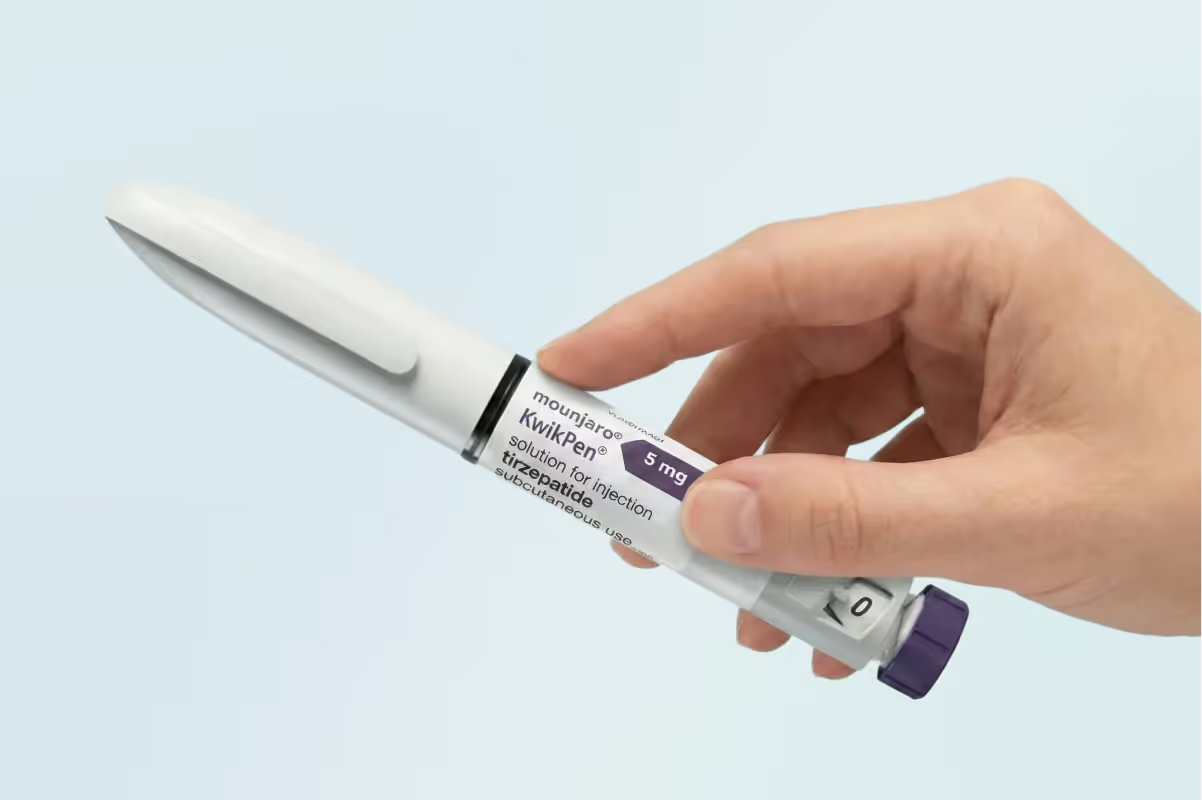
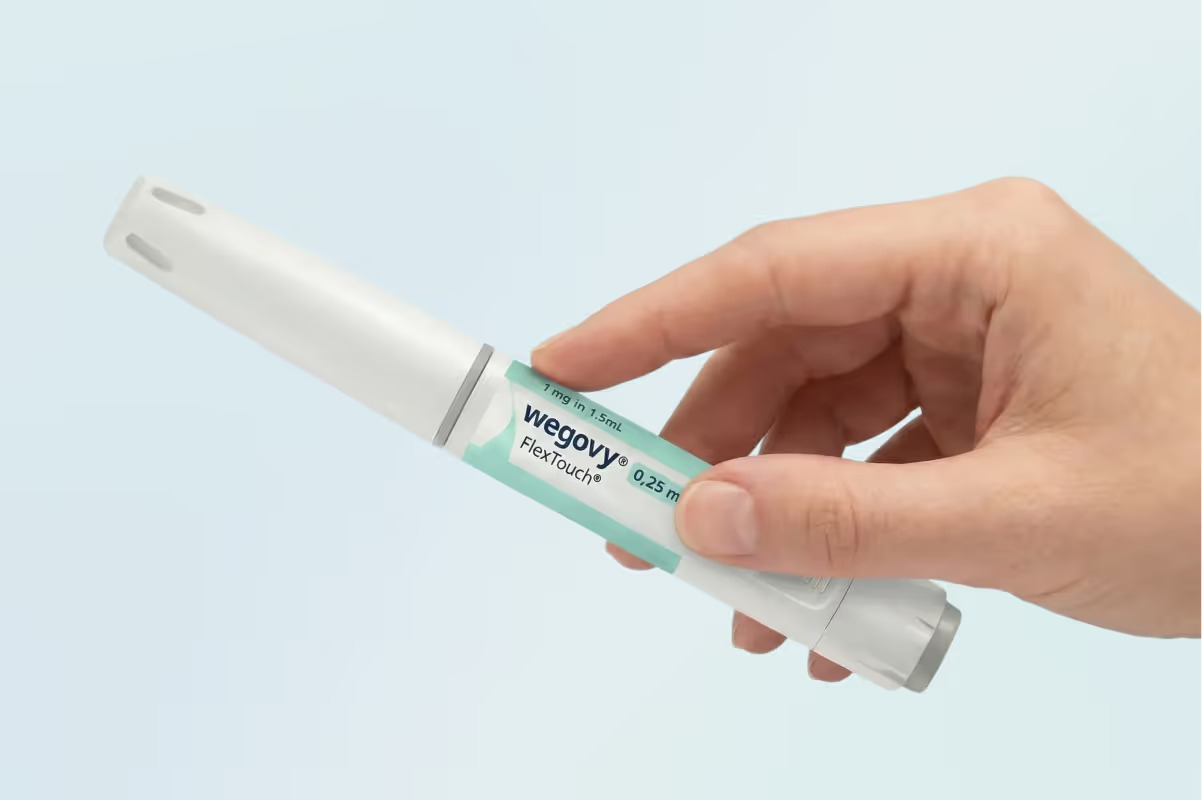
Mounjaro (tirzepatide) is a once-weekly injectable medication licensed in the UK for treating type 2 diabetes mellitus in adults. Understanding Mounjaro cost is essential for patients considering this treatment, whether through the NHS or private prescription. The NHS list price is approximately £73.25 per pen, with a monthly pack costing around £99–£229 (price-comparison listing, checked 1 October 2026). However, actual costs vary significantly depending on access route, eligibility criteria, and additional fees. This article examines Mounjaro pricing in the UK, NHS availability, private prescription options, and factors affecting overall treatment costs.
Summary: Mounjaro costs approximately £73.25 per pen on the NHS (around £293 monthly), with standard prescription charges applying, whilst private costs are higher due to dispensing fees. Bolt Pharmacy charges £149–£299 per month (boltpharmacy.co.uk, checked 1 October 2026); see current pricing.
- Tirzepatide is a dual GIP/GLP-1 receptor agonist administered once weekly for type 2 diabetes management.
- NHS availability requires meeting NICE eligibility criteria including inadequate glycaemic control despite existing treatment.
- Common adverse effects include gastrointestinal symptoms, with risks of pancreatitis and gallbladder disease requiring monitoring.
- Private prescription requires thorough clinical assessment through GMC-registered prescribers and CQC-registered services.
- Supply constraints and regulatory factors influence availability and pricing in both NHS and private sectors.
Table of Contents
What Is Mounjaro and What Is It Used For?
Mounjaro (tirzepatide) is a once-weekly injectable medication licensed in the UK for the treatment of type 2 diabetes mellitus in adults.[1] It belongs to a novel class of medicines known as dual glucose-dependent insulinotropic polypeptide (GIP) and glucagon-like peptide-1 (GLP-1) receptor agonists. By activating both GIP and GLP-1 receptors, Mounjaro enhances insulin secretion in response to elevated blood glucose levels, suppresses glucagon release, slows gastric emptying, and reduces appetite.
Mounjaro is indicated as an adjunct to diet and exercise to improve glycaemic control in adults with type 2 diabetes. It is not indicated for type 1 diabetes or diabetic ketoacidosis. It is available in several dose strengths—2.5 mg, 5 mg, 7.5 mg, 10 mg, 12.5 mg, and 15 mg—allowing for gradual dose escalation to optimise efficacy and tolerability. Clinical trials have demonstrated that tirzepatide significantly reduces HbA1c levels and is associated with weight loss, which can be beneficial for patients with type 2 diabetes who are overweight or obese.[6][7]
The Medicines and Healthcare products Regulatory Agency (MHRA) has granted marketing authorisation for Mounjaro in the UK. It is administered subcutaneously once weekly, typically in the abdomen, thigh, or upper arm. Patients are usually started on the lowest dose (2.5 mg) and titrated upwards every four weeks based on glycaemic response and tolerability.
Common adverse effects include gastrointestinal symptoms such as nausea, vomiting, diarrhoea, and constipation, which tend to diminish over time. Patients should be advised to maintain adequate hydration, particularly if experiencing severe gastrointestinal symptoms, to reduce the risk of dehydration and acute kidney injury. There is also a risk of gallbladder disease, including cholelithiasis and cholecystitis.
Tirzepatide may reduce the exposure of oral contraceptives; women using oral contraceptives should consider additional contraception for 4 weeks after initiation and after each dose increase.[1] It is not recommended during pregnancy or breastfeeding, and women of childbearing potential should use effective contraception and discontinue tirzepatide at least 1 month before a planned pregnancy.
Patients should seek urgent medical attention if they experience severe, persistent abdominal pain (which may indicate pancreatitis), severe vomiting, signs of allergic reaction, or symptoms of severe hypoglycaemia (especially when used with insulin or sulphonylureas). Patients should report any suspected side effects via the MHRA Yellow Card Scheme (yellowcard.mhra.gov.uk).
| Cost Factor | NHS | Private Prescription |
|---|---|---|
| Cost per single-dose pen (BNF list price) | ~£73.25 per pen | Full list price (~£73.25) plus provider fees |
| Monthly supply cost (4 pens) | ~£293 list price | ~£293+ list price, varies by provider |
| Patient prescription charge | £9.90 per item (England, 2024); free in Scotland, Wales, Northern Ireland | Full cost payable; no standard charge cap |
| Eligibility / access criteria | NICE criteria required; inadequate control on metformin plus ≥1 other agent | Clinical assessment required; no NICE criteria restriction |
| Insurance coverage | N/A — NHS funded for eligible patients | Most UK policies exclude outpatient prescription medicines; check policy terms |
| Regulatory safeguards | NHS-regulated supply chain; MHRA-authorised product | Use GPhC-registered pharmacies and CQC-registered services only |
How Much Does Mounjaro Cost in the UK?
The cost of Mounjaro in the UK varies depending on whether it is obtained through the NHS or via private prescription. According to the British National Formulary (BNF), the NHS list price for Mounjaro is approximately £73.25 per single-dose pen. A typical pack contains 4 single-dose pens (one month's supply at the standard once-weekly dosing), with a pack cost of around £99–£229 (price-comparison listing, checked 1 October 2026).
For NHS patients in England, Mounjaro is subject to the standard NHS prescription charge (currently £9.90 per item as of 2024), though many patients qualify for exemptions based on age, income, or certain medical conditions. In Scotland, Wales, and Northern Ireland, NHS prescriptions are free of charge.
For patients accessing Mounjaro privately, costs are typically higher due to additional prescription charges, and dispensing fees levied by private clinics and online pharmacies. Private prescription prices can vary considerably between providers, with patients potentially paying the full list price plus additional fees. Initial private with follow-up appointments and monitoring incurring further costs.
Some private health insurance policies may contribute to the cost if Mounjaro is prescribed for its licensed indication of type 2 diabetes, but most UK policies exclude outpatient prescription medications. Patients should check their specific policy terms and seek prior authorisation where necessary.
Price transparency is essential, and patients should compare costs across multiple providers, ensuring they are dealing with registered UK pharmacies regulated by the General Pharmaceutical Council (GPhC) and services registered with the Care Quality Commission (CQC). Purchasing medications from unregulated sources poses significant safety risks, including counterfeit or substandard products.
NHS Availability and Private Prescription Options for Mounjaro
NHS availability of Mounjaro is subject to specific eligibility criteria as outlined by the National Institute for Health and Care Excellence (NICE). NICE has issued guidance on the use of tirzepatide for type 2 diabetes, recommending it as an option for adults when certain conditions are met. Typically, Mounjaro may be considered on the NHS for patients with type 2 diabetes who have inadequate glycaemic control despite treatment with metformin and at least one other oral antidiabetic agent, or for those who cannot tolerate or have contraindications to other treatments.[2]
According to NICE guidance, treatment should be continued only if there is a beneficial metabolic response, typically defined as a reduction in HbA1c of at least 11 mmol/mol (1.0%) and weight loss of at least 3% of initial body weight at six months. Local NHS formularies may have additional criteria or restrictions, and patients should discuss eligibility with their diabetes care team.
Mounjaro should be initiated and supervised by healthcare professionals experienced in managing diabetes. When starting tirzepatide, consideration should be given to reducing the dose of insulin or sulphonylureas to mitigate the risk of hypoglycaemia.[1][2]
For patients who do not meet NHS eligibility criteria or prefer faster access, private prescription is an alternative route. Private prescriptions for Mounjaro can be obtained through registered private GPs, endocrinologists, or online telemedicine services that comply with UK regulations. All prescribers must follow General Medical Council (GMC) guidance on good practice in prescribing, and online services should be registered with the CQC.
Patients must undergo a thorough clinical assessment to ensure the medication is appropriate and safe, including review of medical history, current medications, and relevant blood tests (e.g., HbA1c, renal function). Regular follow-up is essential to monitor efficacy, tolerability, and potential adverse effects.
Patients should seek urgent medical attention if they experience symptoms of pancreatitis (severe, persistent abdominal pain, sometimes radiating to the back, with or without vomiting), severe hypoglycaemia, or signs of allergic reaction. Self-medication or obtaining Mounjaro without proper medical supervision is strongly discouraged due to the risk of serious complications.
Factors That Affect Mounjaro Pricing
Several factors influence the cost of Mounjaro for patients in the UK, both within the NHS and private sector. The NHS has negotiated pricing arrangements with the manufacturer, and the list price is published in the British National Formulary (BNF). Unlike some medications, the different dose strengths of Mounjaro are typically priced at parity, meaning the cost per pen is generally the same regardless of whether a patient uses a lower or higher strength.
Supply and demand dynamics also play a role. The UK has experienced supply constraints for GLP-1 receptor agonists, including tirzepatide, as reported by the Specialist Pharmacy Service (SPS) and NHS England.[5] These shortages can affect availability in both NHS and private settings. The NHS may implement prioritisation frameworks during periods of limited supply, while private market prices might fluctuate based on availability.
Regulatory and market factors further impact pricing. The patent protection for tirzepatide and competition from other GLP-1 receptor agonists (such as semaglutide) influence market positioning and pricing strategies. The confidential discounts negotiated between the NHS and pharmaceutical companies mean the actual cost to the health service is often lower than the published list price, but these discounts do not typically extend to private patients.
Healthcare provider fees add to the overall cost for private patients. follow-up appointments, blood tests, and prescription charges vary widely between providers. Online telemedicine platforms may offer different fee structures compared to traditional private clinics, but all should provide thorough clinical assessment and monitoring. Patients should ensure that any provider is appropriately regulated, with pharmacies registered with the GPhC and healthcare services registered with the CQC.
While NHS provision remains the most cost-effective route for eligible patients, those accessing Mounjaro privately should obtain clear information about all associated costs before commencing treatment. Unlike some countries, the UK has limited patient assistance programmes for prescription medications, and private health insurance rarely covers outpatient prescription costs, making it important for patients to understand the full financial commitment involved.
Scientific References
- Mounjaro (tirzepatide) Summary of Product Characteristics – Eli Lilly and Company Ltd.
- Tirzepatide for treating type 2 diabetes (TA924).
- Tirzepatide – British National Formulary.
- NHS prescription charge information – NHS Business Services Authority.
- GLP-1 receptor agonist supply update – Specialist Pharmacy Service / NHS England.
- Tirzepatide versus Semaglutide Once Weekly in Patients with Type 2 Diabetes (SURPASS-2).
- Efficacy of tirzepatide versus semaglutide in achieving therapeutic targets in type 2 diabetes: a post hoc analysis of the SURPASS-2 Trial.
- Semaglutide and tirzepatide in prediabetes: Evidence for diabetes prevention and cardiovascular protection.
- Efficacy and safety of anti-prediabetic drugs in patients with prediabetes: a Bayesian network meta-analysis.
- Regulation of online and independent healthcare services – Care Quality Commission.
- Good practice in prescribing and managing medicines and devices – General Medical Council.
Frequently Asked Questions
Is Mounjaro available free on the NHS?
Mounjaro is available on NHS prescription in England for £9.90 per item (or free if exempt), and free in Scotland, Wales, and Northern Ireland, provided patients meet NICE eligibility criteria for type 2 diabetes treatment.
How much does Mounjaro cost privately in the UK?
Private Mounjaro costs vary considerably between providers, typically including the medication cost (around £293 monthly), prescription charges, and dispensing fees from registered pharmacies.
What factors affect Mounjaro pricing in the UK?
Mounjaro pricing is influenced by NHS negotiated rates, supply constraints, regulatory factors including patent protection, competition from other GLP-1 receptor agonists, and additional healthcare provider fees in the private sector.
The health-related content published on this site is based on credible scientific sources and is periodically reviewed to ensure accuracy and relevance. Although we aim to reflect the most current medical knowledge, the material is meant for general education and awareness only.
The information on this site is not a substitute for professional medical advice. For any health concerns, please speak with a qualified medical professional. By using this information, you acknowledge responsibility for any decisions made and understand we are not liable for any consequences that may result.
Any third-party brands or services referenced on this site are included for informational purposes only; we are entirely independent and have no affiliation, partnership, or collaboration with any companies mentioned.





