Wegovy Cost UK: NHS vs Private Prescription Pricing Guide

Wegovy (semaglutide 2.4 mg) has emerged as a significant advancement in chronic weight management, but understanding the cost implications is essential for UK patients considering this treatment. Whether accessed through the NHS or private prescription, Wegovy pricing varies considerably based on supply route, prescriber type, and treatment duration. This article examines the factors influencing Wegovy costs in the UK, compares NHS and private prescription routes, explores alternative weight management options, and provides practical guidance on accessing this MHRA-licensed medication safely and affordably within the UK healthcare system.
Summary: Wegovy costs between £119–£249 (heyslim.co.uk, checked 13 September 2026) monthly through private prescription in the UK, whilst NHS patients pay only the standard prescription charge of £9.90 per item where available through specialist weight management services. Bolt Pharmacy charges £99–£239 per month (boltpharmacy.co.uk, checked 13 September 2026); see current pricing.
- Wegovy (semaglutide 2.4 mg) is a once-weekly GLP-1 receptor agonist injection licensed by the MHRA for chronic weight management in adults with obesity or overweight with comorbidities.
- NHS availability is limited to specialist services following NICE guidance (TA875), with strict eligibility criteria including BMI thresholds and documented previous weight management attempts.
- Private prescription costs typically total £1,430–£2,990 over 12 months, including consultations, medication, and monitoring appointments.
- Common side effects include nausea, vomiting, diarrhoea, and constipation; patients should seek urgent medical attention for severe persistent abdominal pain indicating potential pancreatitis.
- Alternatives include Saxenda (daily GLP-1 injection), orlistat (lipase inhibitor), Mysimba (naltrexone/bupropion combination), bariatric surgery, and structured lifestyle intervention programmes.
- Treatment requires gradual dose titration over 16 weeks, regular monitoring, and combination with reduced-calorie diet and increased physical activity for optimal effectiveness.
Table of Contents
What Is Wegovy and How Does It Work?
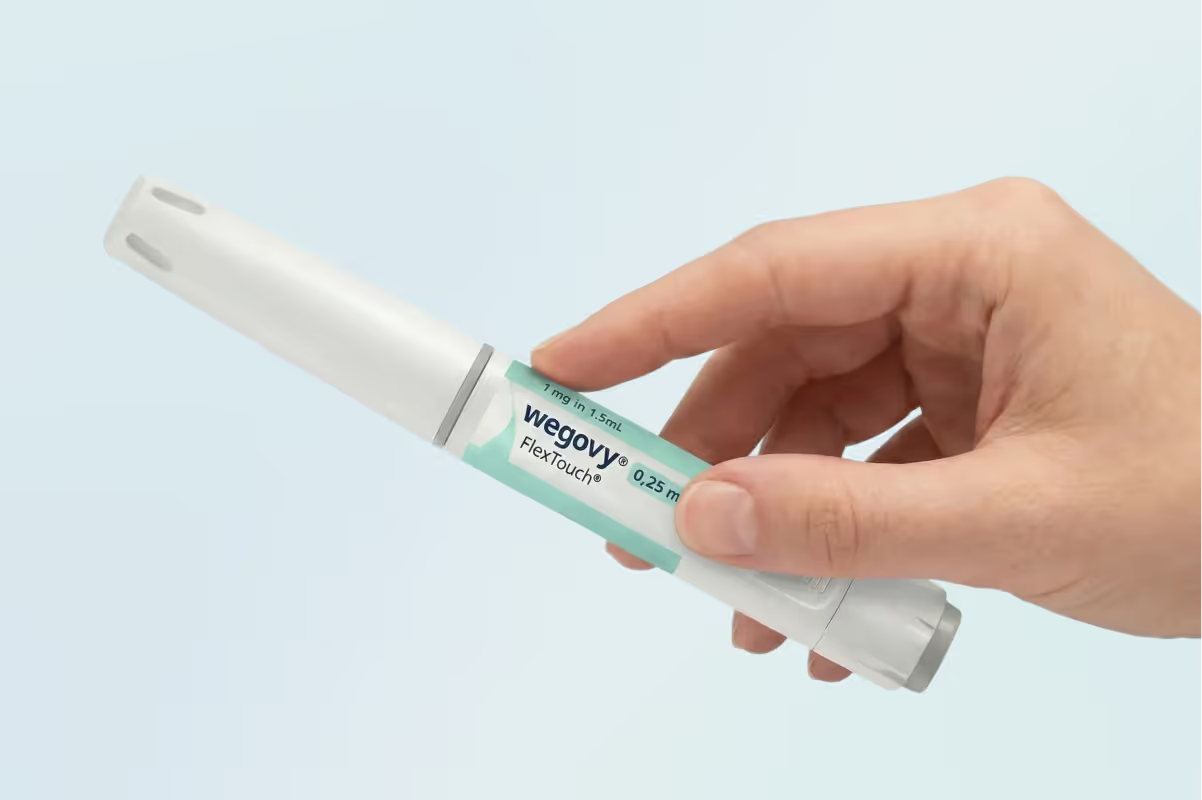
Wegovy (semaglutide 2.4 mg) is a once-weekly subcutaneous injection licensed by the Medicines and Healthcare products Regulatory Agency (MHRA) for chronic weight management in adults with obesity or overweight with weight-related comorbidities.[3][23] It is also licensed for use in adolescents aged 12 years and above in specialist settings. It belongs to a class of medications called glucagon-like peptide-1 (GLP-1) receptor agonists, originally developed for type 2 diabetes management but now widely recognised for their significant weight loss effects.
The mechanism of action centres on mimicking the naturally occurring hormone GLP-1, which is released from the gut after eating. Semaglutide binds to GLP-1 receptors in multiple tissues, including the brain, pancreas, and gastrointestinal tract.[9][11] In the hypothalamus, it reduces appetite and increases feelings of satiety, leading to decreased caloric intake. It also transiently slows gastric emptying, prolonging the sensation of fullness after meals. In the pancreas, it enhances glucose-dependent insulin secretion and suppresses glucagon release, improving glycaemic control.
Clinical trials have demonstrated that Wegovy, when combined with lifestyle interventions including reduced-calorie diet and increased physical activity, can produce average weight loss of 10–15% of initial body weight over 68 weeks. The medication is administered via a pre-filled pen injector, with doses gradually titrated over 16 weeks (0.25→0.5→1.0→1.7→2.4 mg at 4-week intervals, with slower escalation if not tolerated) to minimise gastrointestinal side effects. Common adverse effects include nausea, vomiting, diarrhoea, constipation, and abdominal pain, which typically diminish as the body adjusts to treatment.[3][23]
Wegovy is not suitable for everyone. Contraindications include pregnancy, hypersensitivity to semaglutide or any excipients, and it should not be used during breastfeeding. Caution is advised in patients with a history of pancreatitis, gallbladder disease, or diabetic retinopathy. Patients should seek urgent medical attention for severe, persistent abdominal pain with or without vomiting (potential pancreatitis). Patients should be counselled about the importance of adherence to lifestyle modifications, as the medication is most effective as part of a comprehensive weight management programme.
If you experience any side effects, talk to your healthcare professional. This includes any possible side effects not listed in the package leaflet. You can also report side effects directly via the MHRA Yellow Card scheme at yellowcard.mhra.gov.uk or via the Yellow Card app.
| Option | Medication / Intervention | Approx. Monthly Cost (UK) | Average Weight Loss | NHS Availability | Key Notes |
|---|---|---|---|---|---|
| Wegovy (NHS) | Semaglutide 2.4 mg, once-weekly injection | £9.90 per prescription item (England); free in Scotland, Wales, NI | 10–15% of body weight over 68 weeks | Limited; specialist services only, NICE TA875, max 2 years | BMI ≥35 kg/m² (or ≥32.5 kg/m² for some ethnic groups) plus comorbidity required |
| Wegovy (Private) | Semaglutide 2.4 mg, once-weekly injection | £200–£300 (medication only); £2,500–£4,000 per year total | 10–15% of body weight over 68 weeks | Not funded; private GP or regulated online prescriber required | Ensure GPhC-registered pharmacy and GMC-compliant prescriber |
| Saxenda | Liraglutide 3.0 mg, once-daily injection | £150–£250 | 5–8% of body weight | Limited NHS access; mainly private | Daily injection; similar side-effect profile to Wegovy |
| Mysimba | Naltrexone/bupropion, oral tablet | £100–£180 | 4–8% of body weight | Limited NHS availability | Affects brain hunger and reward pathways; side effects include nausea and insomnia |
| Orlistat | Lipase inhibitor, oral capsule (60 mg OTC; 120 mg prescription) | £20–£40 (prescription strength) | 3–5% of body weight | Available on NHS primary care prescription | Most affordable option; GI side effects if dietary fat not restricted |
| Mounjaro | Tirzepatide, once-weekly injection (dual GLP-1/GIP agonist) | Consult SmPC | Superior to semaglutide in early evidence | MHRA-approved for type 2 diabetes; obesity indication pending | UK availability for weight management limited pending regulatory decisions |
| NHS Lifestyle Programme | NHS Digital Weight Management Programme | Free to eligible patients | Varies; supports sustainable loss | Fully NHS-funded where eligible | Cornerstone of all weight management; dietary, physical activity, and behavioural support |
Factors That Affect Wegovy Pricing
The cost of Wegovy in the UK varies considerably depending on several key factors, making it essential for patients to understand the pricing landscape before commencing treatment. Supply route, dosage requirements, treatment duration, and prescriber type all significantly influence the final price.
When obtained privately, Wegovy typically costs between £119–£249 (heyslim.co.uk, checked 13 September 2026) and £119–£249 per month for the maintenance dose (2.4 mg weekly), though these prices are indicative and subject to change. The initial titration phase may cost less, as lower starter doses are used. Some private clinics bundle follow-up appointments, and medication costs into package deals ranging from £119–£249 for the first three months. Patients should clarify exactly what is included in quoted prices, as hidden costs for consultations, blood tests, or delivery can substantially increase the overall expenditure.
Pharmacy choice also impacts pricing. Online pharmacies and telehealth services often offer competitive rates compared to traditional high-street pharmacies, though patients must ensure they are using General Pharmaceutical Council (GPhC)-registered providers and that prescribers comply with General Medical Council (GMC) remote prescribing standards. Some services offer subscription models with monthly direct debits, whilst others require upfront payment for multiple months, occasionally with modest discounts for bulk purchases.
Supply chain issues have periodically affected Wegovy availability since its UK launch, with manufacturer Novo Nordisk implementing controlled distribution to manage demand, as noted in Department of Health and Social Care (DHSC) supply disruption alerts. During shortage periods, waiting lists have developed and availability may be limited. Geographic location within the UK can also influence costs, with London-based private clinics typically charging premium rates compared to providers in other regions.
Insurance coverage represents another variable. Most standard private medical insurance policies in the UK do not cover weight management medications, though some employers offer enhanced health plans that may provide partial reimbursement. Patients should check their policy documents carefully and obtain pre-authorisation where required.
Alternatives to Wegovy for Weight Management
For patients unable to access or afford Wegovy, several evidence-based alternatives exist for weight management, each with distinct mechanisms, efficacy profiles, and cost implications. Understanding these options enables informed decision-making in consultation with healthcare professionals.
Saxenda (liraglutide 3.0 mg) is another GLP-1 receptor agonist licensed for weight management, administered as a daily subcutaneous injection.[3][23] Whilst clinical trials show slightly lower average weight loss compared to Wegovy (approximately 5–8% of initial body weight), it remains an effective option. Private costs are similar to Wegovy, ranging from £150 to £250 monthly. The daily injection requirement may be less convenient for some patients, though others prefer the flexibility of daily dosing.
Orlistat is widely available on NHS prescription in primary care and over-the-counter (as alli at 60 mg strength; prescription Xenical is 120 mg). This lipase inhibitor reduces dietary fat absorption by approximately 30%, leading to average weight loss of 3–5% when combined with a reduced-calorie, lower-fat diet. Common side effects include oily stools, faecal urgency, and flatulence, particularly when dietary fat intake is not adequately restricted. Orlistat costs approximately £20–40 monthly for the 120 mg prescription strength, making it significantly more affordable than GLP-1 agonists.
Mysimba (naltrexone/bupropion) is a combination medication licensed for weight management in the UK. It works by affecting brain pathways involved in hunger and reward. Average weight loss is approximately 4–8% of initial body weight. Side effects include nausea, constipation, headache, and insomnia. Private costs range from £100–£180 monthly, and NHS availability is limited.
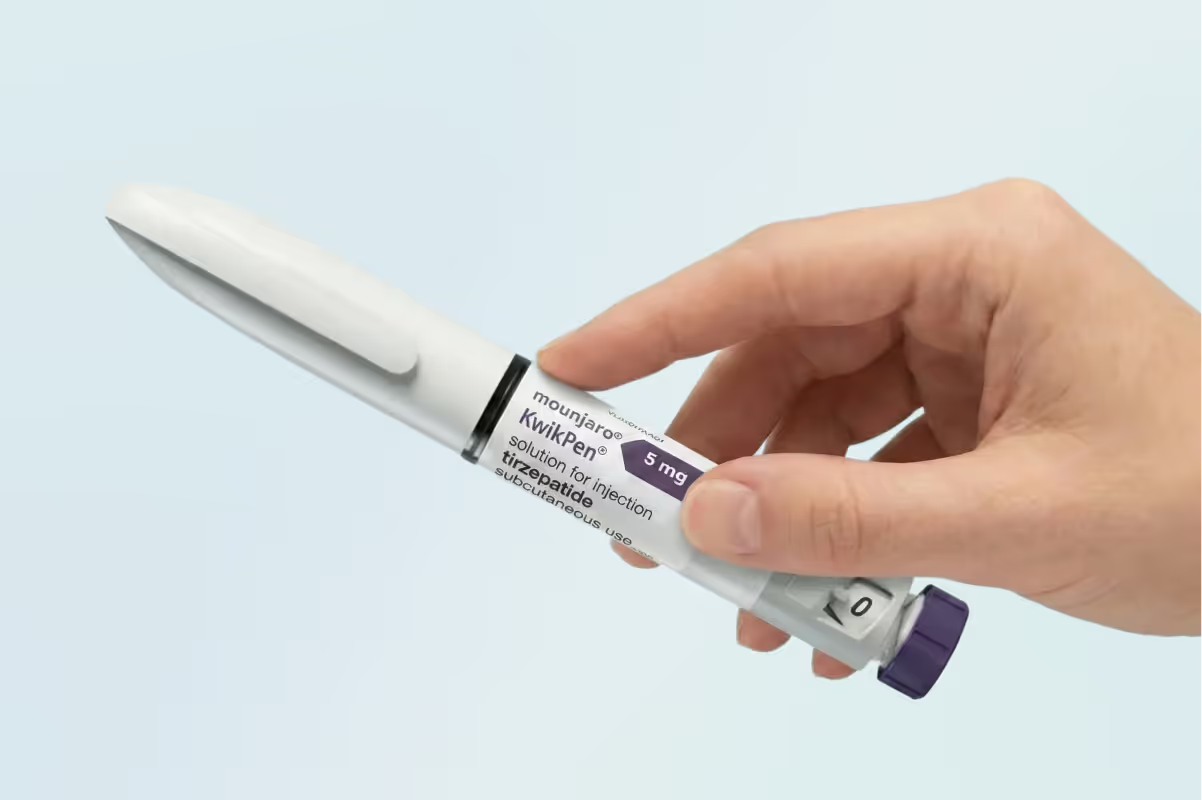
Mounjaro (tirzepatide), a dual GLP-1 and glucose-dependent insulinotropic polypeptide (GIP) receptor agonist, has received MHRA approval for type 2 diabetes and is under evaluation for weight management indication. Early evidence suggests superior weight loss compared to semaglutide, though UK availability for obesity treatment remains limited pending regulatory decisions.
Bariatric surgery (such as gastric bypass, sleeve gastrectomy) offers the most significant and sustained weight loss for eligible patients. NHS referral criteria typically include BMI ≥40 kg/m² or BMI ≥35 kg/m² with weight-related conditions, plus previous unsuccessful weight management attempts. Waiting times vary regionally.
Behavioural and lifestyle interventions remain the cornerstone of weight management. NHS-funded programmes such as the NHS Digital Weight Management Programme offer structured support at no cost to eligible patients. Commercial programmes like Weight Watchers (WW) or Slimming World typically cost £5–20 weekly. Whilst medication can enhance outcomes, sustainable weight loss fundamentally requires dietary modification, increased physical activity, and behavioural change strategies.
Wegovy Cost in the UK: NHS vs Private Prescriptions
The availability and cost of Wegovy through NHS versus private routes differs substantially, reflecting resource constraints and clinical prioritisation within the publicly funded healthcare system.
NHS availability of Wegovy is currently limited following NICE guidance published in March 2023 (TA875). NICE recommended semaglutide 2.4 mg for weight management in adults with at least one weight-related comorbidity and either a BMI ≥35 kg/m² (or ≥32.5 kg/m² for people from some Asian, Black and other minority ethnic groups) or BMI ≥30 kg/m² (or ≥27.5 kg/m² for people from some ethnic groups) with specific conditions. Implementation is restricted to specialist weight management services, with treatment limited to a maximum of 2 years.[7][8] Access varies regionally, with Integrated Care Boards maintaining eligibility criteria and waiting lists. Where available through the NHS, patients pay only the standard prescription charge of £9.90 per item in England (prescriptions are free in Scotland, Wales, and Northern Ireland), representing exceptional value.
The NHS pathway typically requires:
-
Documented evidence of previous weight management attempts
-
Assessment by specialist obesity services
-
Commitment to structured lifestyle intervention programme
-
Regular monitoring and review appointments
-
Discontinuation if treatment response criteria are not met as per local specialist protocols and the product licence
Private prescription routes offer significantly greater accessibility but at substantial cost. Patients can access Wegovy through private GPs, specialist weight management clinics, or regulated online prescribing services. Total monthly costs typically include:
-
Initial consultation: £119–£249
-
Medication: £119–£249 per month at maintenance dose
-
Follow-up consultations: £119–£249 every 1–3 months
-
Blood tests (if required): £119–£249
Over a typical 12-month treatment course, private patients should budget £1,430–£2,990 for comprehensive care. Some providers offer payment plans to spread costs, though interest may apply.
Patient safety considerations apply regardless of funding route. Both NHS and private prescribers should conduct baseline assessments including weight, BMI, blood pressure, and relevant blood tests (HbA1c, lipids, liver function) as clinically appropriate. Patients should be counselled about potential side effects, the importance of gradual dose escalation, and when to seek medical attention—particularly for severe abdominal pain (potential pancreatitis), persistent vomiting leading to dehydration, or signs of gallbladder disease. Women of childbearing potential should use effective contraception during treatment and discontinue Wegovy at least 2 months before a planned pregnancy. For patients with type 2 diabetes, medication adjustments may be needed to prevent hypoglycaemia, particularly if taking insulin or sulfonylureas. Regular monitoring ensures treatment remains appropriate and effective, with discontinuation considered if weight loss targets are not achieved or side effects become intolerable.
Scientific References
- Wegovy – European Medicines Agency (EMA) EPAR.
- MHRA approves GLP-1 receptor agonist semaglutide to reduce risk of serious heart problems in obese or overweight adults.
- Wegovy EPAR – Product Information (PDF).
- Semaglutide for managing overweight and obesity in young people aged 12 to 17 years (TA910).
- Once-Weekly Semaglutide in Adults with Overweight or Obesity (STEP 1).
- Effect of Continued Weekly Subcutaneous Semaglutide vs Placebo on Weight Loss Maintenance in Adults With Overweight or Obesity (STEP 4).
- Semaglutide for managing overweight and obesity. Technology Appraisal Guidance TA875.
- Semaglutide for managing overweight and obesity – Chapter 1: Recommendations (TA875).
- Semaglutide for managing overweight and obesity – Chapter 2: Information about semaglutide (TA875).
- Review proposal: semaglutide for managing overweight and obesity (TA1152).
- Semaglutide – British National Formulary.
- Women on skinny jabs must use effective contraception, MHRA urges in latest guidance.
- A Randomized, Controlled Trial of 3.0 mg of Liraglutide in Weight Management (SCALE Obesity and Prediabetes).
- Efficacy and safety of liraglutide for obesity and people who are overweight: a systematic review and meta-analysis of randomized controlled trials.
- Weight Control and Risk Factor Reduction in Obese Subjects Treated for 2 Years with Orlistat.
- XENical in the Prevention of Diabetes in Obese Subjects (XENDOS) Study.
- Treatment – Obesity.
- 2006 Canadian clinical practice guidelines on the management and prevention of obesity in adults and children.
- Pharmacological Management of Obesity: An Endocrine Society Clinical Practice Guideline.
- Semaglutide and Cardiovascular Outcomes in Patients with Type 2 Diabetes (SUSTAIN-6).
- Semaglutide and Cardiovascular Outcomes in Obesity without Diabetes (SELECT).
- Obesity: identification, assessment and management. Clinical Guideline CG189.
- Wegovy 0.25 mg solution for injection in pre-filled pen – Summary of Product Characteristics.
- Saxenda 6 mg/mL solution for injection – Summary of Product Characteristics.
- Xenical 120 mg hard capsules – Summary of Product Characteristics.
Frequently Asked Questions
How much does Wegovy cost privately in the UK?
Wegovy costs approximately £119–£249 (heyslim.co.uk, checked 13 September 2026) per month for the maintenance dose through private prescription, with total annual costs typically ranging from £1,430–£2,990 including consultations, medication, and monitoring appointments.
Can I get Wegovy on the NHS?
Yes, but NHS availability is limited to specialist weight management services following NICE guidance, with strict eligibility criteria including specific BMI thresholds and weight-related comorbidities. Where available, patients pay only the standard prescription charge of £9.90 per item in England (free in Scotland, Wales, and Northern Ireland).
What are the cheaper alternatives to Wegovy for weight management?
Orlistat is the most affordable pharmaceutical option at approximately £20–40 monthly, whilst NHS-funded lifestyle programmes and commercial weight management services (£5–20 weekly) offer cost-effective alternatives. Saxenda and Mysimba are intermediate-cost options at £100–£250 monthly.
The health-related content published on this site is based on credible scientific sources and is periodically reviewed to ensure accuracy and relevance. Although we aim to reflect the most current medical knowledge, the material is meant for general education and awareness only.
The information on this site is not a substitute for professional medical advice. For any health concerns, please speak with a qualified medical professional. By using this information, you acknowledge responsibility for any decisions made and understand we are not liable for any consequences that may result.
Any third-party brands or services referenced on this site are included for informational purposes only; we are entirely independent and have no affiliation, partnership, or collaboration with any companies mentioned.