



Wegovy Cost UK: NHS and Private Pricing Guide

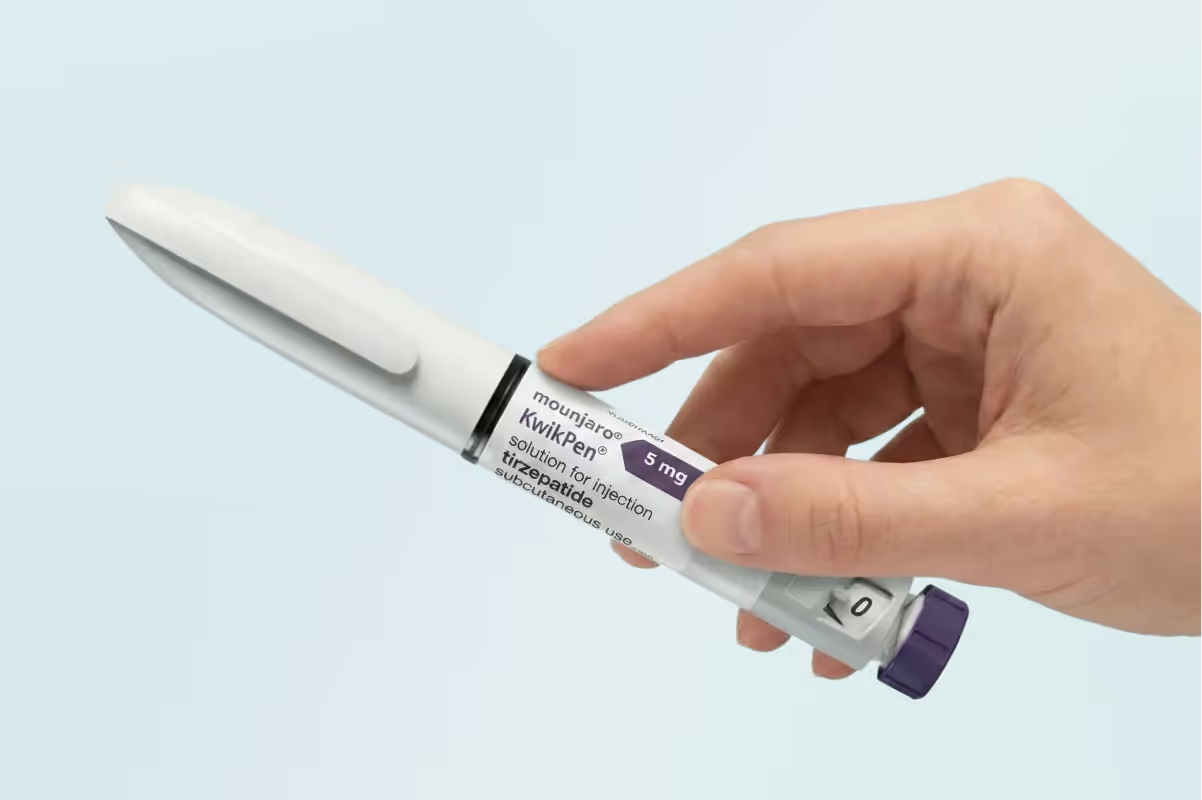
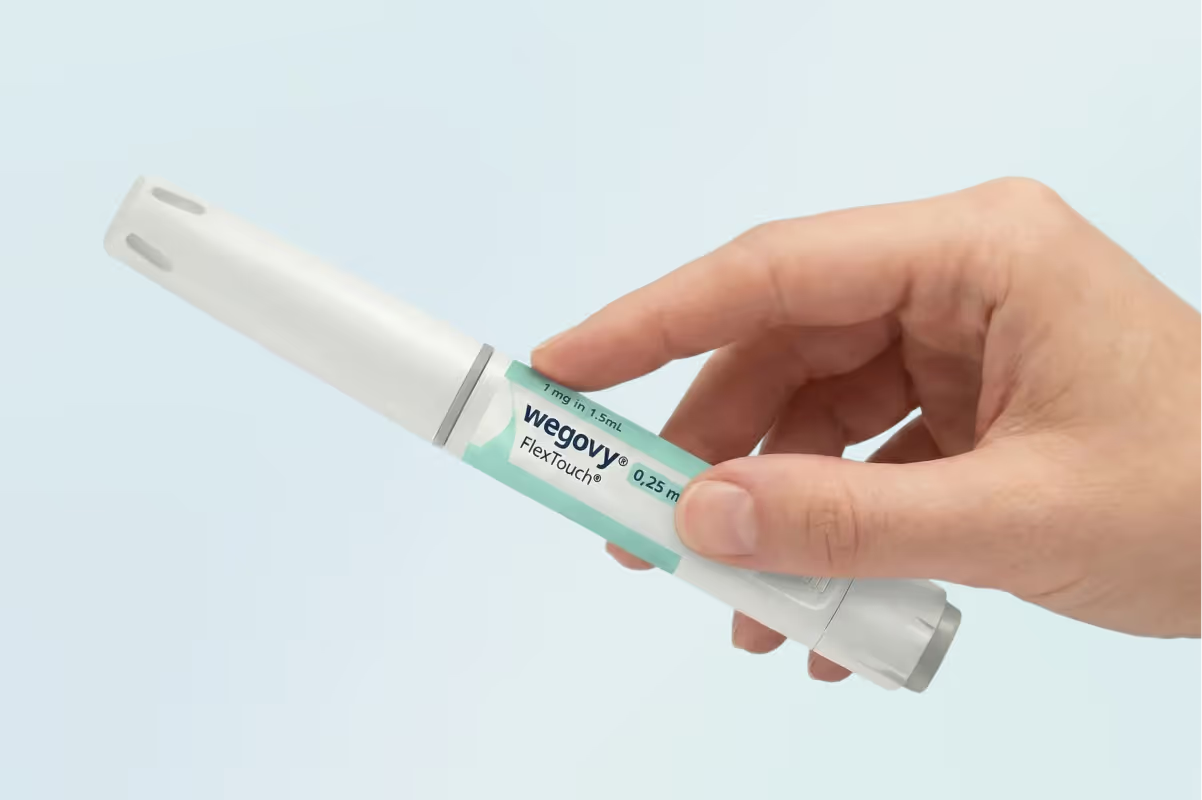
Wegovy (semaglutide 2.4 mg) is a prescription-only injectable medication licensed for chronic weight management in adults with obesity or overweight with weight-related comorbidities. As a glucagon-like peptide-1 (GLP-1) receptor agonist, it works by reducing appetite and slowing gastric emptying, leading to significant weight loss when combined with lifestyle modifications. Understanding Wegovy cost, eligibility criteria, and access routes—whether through the NHS or private healthcare—is essential for those considering this treatment option. This article examines prescription requirements, UK pricing structures, clinical effectiveness, and whether the investment represents good value for weight management.
Summary: Wegovy costs approximately £88.75–£199 (price-comparison listing, checked 19 September 2026) per month privately in the UK, with total first-year expenses exceeding £88.75–£199 including consultations and monitoring, whilst NHS access remains limited to specialist weight management services with standard prescription charges where available. Bolt Pharmacy charges £99–£239 per month (boltpharmacy.co.uk, checked 19 September 2026); see current pricing.
- Wegovy (semaglutide 2.4 mg) is a GLP-1 receptor agonist administered as a once-weekly subcutaneous injection for chronic weight management.
- Prescription requires BMI ≥30 kg/m² or BMI ≥27 kg/m² with weight-related comorbidities, alongside commitment to lifestyle modifications.
- Clinical trials demonstrated average weight loss of 14.9% over 68 weeks, with two-thirds of participants losing at least 10% of initial body weight.
- Common side effects include nausea (40–45%), diarrhoea, vomiting, and constipation; serious risks include pancreatitis and gallbladder disease.
- NHS availability is restricted to specialist tier 3/4 weight management services with substantial waiting lists; treatment typically limited to 2 years maximum.
- Treatment should be discontinued if less than 5% weight loss achieved after 12 weeks on maintenance dose; weight regain commonly occurs after stopping.
Table of Contents
What Is Wegovy and How Does It Work for Weight Loss?
Wegovy (semaglutide 2.4 mg) is a prescription-only injectable medication licensed by the Medicines and Healthcare products Regulatory Agency (MHRA) for chronic weight management in adults with obesity or overweight with weight-related comorbidities. It belongs to a class of medicines called glucagon-like peptide-1 (GLP-1) receptor agonists, originally developed for type 2 diabetes management but now recognised for significant weight loss effects.[13][15]
The mechanism of action centres on mimicking the naturally occurring hormone GLP-1, which is released from the gut after eating. Semaglutide binds to GLP-1 receptors in several key areas: it slows gastric emptying, which prolongs the feeling of fullness after meals; it acts on appetite centres in the hypothalamus to reduce hunger signals; and it modulates insulin secretion in a glucose-dependent manner.[2][3] These combined effects lead to reduced calorie intake and sustained weight loss when used alongside lifestyle modifications.
Wegovy is administered once weekly via subcutaneous injection using a pre-filled pen device. The dosing schedule follows a gradual escalation protocol over 16–20 weeks, starting at 0.25 mg weekly and increasing incrementally to the maintenance dose of 2.4 mg weekly. This titration approach helps minimise gastrointestinal side effects. If the 2.4 mg dose is not tolerated, some patients may continue at 1.7 mg as a maintenance dose. Injections can be administered in the abdomen, thigh or upper arm.
It is essential to understand that Wegovy is not a standalone solution. The medication is licensed specifically as an adjunct to a reduced-calorie diet and increased physical activity. Clinical trials demonstrating its efficacy included comprehensive lifestyle intervention programmes, and real-world effectiveness depends significantly on adherence to dietary and exercise recommendations alongside the medication.
For people with type 2 diabetes who are also taking insulin or sulfonylureas, there is an increased risk of hypoglycaemia when starting Wegovy, and these diabetes medications may need dose adjustment.
| Provider | Regulated by | Clinical assessment | Aftercare | Pricing |
|---|---|---|---|---|
| Bolt Pharmacy | GPhC regulated pharmacy, CQC registered prescribers, named superintendent pharmacist | Full clinical questionnaire reviewed by qualified UK prescriber before dispensing | Ongoing prescriber support, GP communication included | from £99 per month per month, all-inclusive, no lock-in contract |
| Get Weightloss | CQC registered, GPhC regulated pharmacy | Online health assessment reviewed by registered prescriber | Follow-up support available; confirm scope at consultation | from £88.75 per month per month; confirm whether consultation fees are included |
| NHS (specialist services) | NHS England, NICE TA875, MHRA licensed indication | Comprehensive assessment via tier 3 or tier 4 weight management service; GP referral required | Structured programme with dietitian and clinical team; treatment limited to 2 years | Standard prescription charge (currently £9.90 per item in England); free in Scotland, Wales and Northern Ireland |
How to Get Wegovy: Prescription Requirements and Eligibility
Wegovy is a prescription-only medicine in the UK, meaning it cannot be purchased over the counter or online without a valid prescription from a registered healthcare professional.
Licensed indication according to the Wegovy Summary of Product Characteristics (SmPC) includes adults who have:
-
BMI of 30 kg/m² or above (classified as obese), or
-
BMI of 27 kg/m² or above (overweight) with at least one weight-related comorbidity such as type 2 diabetes, hypertension, dyslipidaemia, obstructive sleep apnoea, or cardiovascular disease
NHS access is more restricted, following NICE Technology Appraisal 875. NHS treatment is typically available through specialist tier 3 or tier 4 weight management services, usually for adults with a BMI ≥35 kg/m² (or lower thresholds for certain ethnic groups) with weight-related comorbidities. NHS treatment is generally limited to a maximum of 2 years.
Patients should have previously attempted weight loss through diet and exercise without achieving or maintaining adequate results. A thorough medical assessment is required before prescribing, including evaluation of cardiovascular risk factors and screening for contraindications.
Contraindications include pregnancy and severe gastrointestinal disease including gastroparesis. Wegovy is not recommended during breastfeeding. Women of childbearing potential should use effective contraception and stop Wegovy at least 2 months before a planned pregnancy.
Cautions include history of pancreatitis, gallbladder disease, and diabetic retinopathy. People with type 2 diabetes taking insulin or sulfonylureas may need dose adjustments to reduce hypoglycaemia risk.
The prescription pathway typically involves:
-
Initial consultation with a GP, specialist weight management service, or registered private prescriber
-
Comprehensive health assessment including weight history, comorbidities, and previous weight loss attempts
-
Discussion of realistic expectations, potential side effects, and commitment to lifestyle changes
-
Ongoing monitoring with regular follow-up appointments
According to the Wegovy SmPC, treatment should be discontinued if patients have not lost at least 5% of their initial body weight after 12 weeks on the maintenance dose (either 2.[2][3]4 mg or 1.7 mg).
If using online prescribing services, ensure they are operated by Care Quality Commission (CQC) registered healthcare providers and General Pharmaceutical Council (GPhC) regulated pharmacies.
Wegovy Cost in the UK: Private and NHS Pricing
The cost of Wegovy varies significantly depending on whether it is accessed through the NHS or private healthcare services. Understanding the financial implications is crucial for patients considering this treatment option.
NHS Availability:
Wegovy became available on the NHS in England from September 2023, following NICE approval for use in specialist weight management services. However, access remains limited due to supply constraints and prioritisation criteria (as of May 2024). NHS England has implemented a phased rollout, initially restricting prescribing to specialist tier 3 and tier 4 weight management services rather than primary care. Patients meeting eligibility criteria—typically those with BMI ≥35 kg/m² and significant comorbidities—may be referred to these services, but waiting lists can be substantial in many areas. When accessed via the NHS, patients in England may pay the standard prescription charge (currently £9.90 per item, or free for those with exemptions). Prescriptions are free in Scotland, Wales, and Northern Ireland. Hospital-supplied medications may have different charging arrangements.
Private Costs:
For those seeking private treatment, costs are considerably higher. The medication itself typically ranges from £88.75–£199 (price-comparison listing, checked 19 September 2026) per month depending on the dose and supplier. Over a 12-month treatment course, this equates to approximately £1,060–£2,390 for the medication alone. Additional costs include:
-
Initial consultation fees: £50–£200
-
Follow-up appointments: £88.75–£199 per visit (usually monthly or bi-monthly)
-
Blood tests and monitoring: £88.75–£199 depending on requirements
Some private providers offer package deals or subscription models that may reduce overall costs. Online prescribing services have emerged, but patients should ensure these are operated by CQC-registered healthcare providers and GPhC-regulated pharmacies. Caution is advised against purchasing unlicensed or counterfeit products claiming to contain semaglutide. Total first-year costs through private routes commonly exceed £88.75–£199 when including all consultations and monitoring.
Is Wegovy Worth the Cost? Effectiveness and Results
Evaluating whether Wegovy represents good value requires consideration of clinical effectiveness, individual circumstances, and long-term health benefits beyond the financial outlay.
Clinical Evidence:
The STEP (Semaglutide Treatment Effect in People with obesity) clinical trial programme provides robust evidence for Wegovy's effectiveness. In the pivotal STEP 1 trial, participants using semaglutide 2.4 mg achieved an average weight loss of 14.9% of initial body weight over 68 weeks, compared to 2.4% with placebo—both groups received lifestyle intervention. Approximately two-thirds of participants lost at least 10% of their body weight, and one-third lost 20% or more.[10][11] These results represent substantially greater weight loss than achieved with older anti-obesity medications.
Beyond weight reduction, trials demonstrated improvements in cardiometabolic parameters including blood pressure, lipid profiles, glycaemic control, and inflammatory markers. For individuals with obesity-related conditions, these improvements may reduce long-term cardiovascular risk and potentially decrease medication requirements for comorbidities.
Real-World Considerations:
Effectiveness in clinical practice depends heavily on adherence and lifestyle modification. Common side effects include nausea (affecting approximately 40-45% of users), diarrhoea, vomiting, and constipation (each affecting about 20-30% of users).[2][3] These typically diminish over time. Approximately 7% of participants in the STEP 1 trial discontinued due to adverse effects.[10][11] Weight regain commonly occurs after stopping treatment, raising questions about long-term sustainability and whether indefinite use is necessary.
Serious but less common side effects include gallbladder problems, pancreatitis, and worsening of diabetic retinopathy in people with diabetes.[12][13] People with type 2 diabetes taking insulin or sulfonylureas may experience hypoglycaemia and may need dose adjustments of these medications.
Value Assessment:
For individuals with significant obesity and related health complications who have struggled with conventional approaches, Wegovy may offer substantial health benefits that justify the cost, particularly if it reduces future healthcare needs or improves quality of life. However, it requires ongoing financial commitment, and there is no official guarantee of individual response. Patients should discuss realistic expectations with their prescriber, including:
-
Likelihood of achieving clinically meaningful weight loss based on their profile
-
Duration of treatment required
-
Strategies for weight maintenance after discontinuation
-
Alternative or complementary approaches
When to seek medical advice: Contact your GP or NHS 111 if you experience persistent vomiting, signs of gallbladder problems (right upper abdominal pain, fever, yellowing of skin/eyes), visual changes, or symptoms of thyroid nodules whilst taking Wegovy. Seek urgent medical help (999 or A&E) for severe abdominal pain, especially if radiating to your back and accompanied by vomiting (possible pancreatitis). Stay well hydrated during episodes of vomiting or diarrhoea. Report suspected side effects via the MHRA Yellow Card scheme (yellowcard.mhra.gov.uk or the Yellow Card app).
Scientific References
- MHRA approves GLP-1 receptor agonist semaglutide to reduce risk of serious heart problems in obese or overweight adults.
- Wegovy EPAR Product Information (SmPC).
- Wegovy 1.7 mg FlexTouch solution for injection in pre-filled pen – Summary of Product Characteristics.
- Medicines regulator approves up to 7.2 mg dose of semaglutide (Wegovy) for patients with obesity only.
- Semaglutide for managing overweight and obesity. Technology Appraisal TA875.
- Semaglutide for managing overweight and obesity – Chapter 1: Recommendations (TA875).
- Semaglutide for managing overweight and obesity [PDF] (TA875).
- NICE recommended weight-loss drug to be made available in specialist NHS services.
- NHS prescription charges.
- Once-Weekly Semaglutide in Adults with Overweight or Obesity (STEP 1). N Engl J Med.
- Once-Weekly Semaglutide in Adults with Overweight or Obesity (STEP 1) [PubMed record].
- GLP-1 receptor agonists: reminder of the potential side effects and to be aware of the potential for misuse.
- Safety of Semaglutide. Front Endocrinol.
- Wegovy – European Medicines Agency (EMA).
- Semaglutide. British National Formulary (BNF).
Frequently Asked Questions
Can I get Wegovy on the NHS in the UK?
Wegovy is available on the NHS in England through specialist tier 3 and tier 4 weight management services for eligible patients, typically those with BMI ≥35 kg/m² and significant comorbidities. However, access remains limited due to supply constraints and substantial waiting lists, with treatment generally restricted to a maximum of 2 years.
How much does Wegovy cost privately in the UK?
Private Wegovy treatment typically costs £1,060–£2,390 (price-comparison listing, checked 19 September 2026) per month for the medication alone, equating to approximately £1,060–£2,390 annually. When including initial consultations (£88.75–£199), follow-up appointments (£88.75–£199 each), and monitoring tests (£88.75–£199), total first-year costs commonly exceed £88.75–£199.
What happens if I stop taking Wegovy?
Weight regain commonly occurs after discontinuing Wegovy, as the medication's appetite-suppressing effects cease. Maintaining weight loss requires ongoing commitment to dietary modifications and physical activity established during treatment, though many individuals find this challenging without pharmaceutical support.
The health-related content published on this site is based on credible scientific sources and is periodically reviewed to ensure accuracy and relevance. Although we aim to reflect the most current medical knowledge, the material is meant for general education and awareness only.
The information on this site is not a substitute for professional medical advice. For any health concerns, please speak with a qualified medical professional. By using this information, you acknowledge responsibility for any decisions made and understand we are not liable for any consequences that may result.
Any third-party brands or services referenced on this site are included for informational purposes only; we are entirely independent and have no affiliation, partnership, or collaboration with any companies mentioned.





